


Apartments For Rent Near Me In 2026 Across Europe: A Renter's Playbook

Type "apartments for rent near me" and you get thousands of results — most of them noise, some of them traps. In 2026 the rental market across Europe is tighter, more digital, and more protected by law than ever, which cuts both ways: better tenant rights, but also slicker scams. This playbook turns the search into seven moves you can repeat in any city, with the country rules that decide how much you pay and how safe your deposit is.
We cover the 2026 market reality, how to define your own "near me" with the right radius and local rules, the rent-control and deposit norms in each major market, and the verification steps that keep your money with you until the keys are in your hand. Every figure traces back to public 2024–2025 sources (linked at the end).
1. The 2026 Rental Reality
Roughly 31.6% of EU households rent (21.1% at market rate, 10.5% subsidised or below market, Eurostat 2024). In the big economies the share is far higher — about 53% in Germany and 38.6% in France. That depth of supply is why a local search returns so many listings, and why knowing the rules matters more than knowing the websites.
- Rents are regulated, not free. Most large markets now cap annual increases or freeze new-lease levels in "tense" areas.
- Deposits are shrinking or insured. Caps and deposit-free schemes mean less cash leaves your pocket at move-in.
- Scams scale with demand. The same tight market that makes you search hard makes scammers post fake "near me" listings.
The clearest hard anchor we have is Berlin, where average rent sits at €18.4 per m² (Deloitte Property Index 2024). A 60–70 m² flat there runs about €1,100–1,290/month — but capital centres everywhere run hot, while commuter towns 30 minutes out list 30–50% lower. Your "near me" should include the reachable suburb, not just the core.
2. Define Your "Near Me" On Purpose
"Near me" is a radius you set, not a default the algorithm picks. Before you search, fix three things:
- Commute tolerance. Decide the maximum train/bus minutes you will accept, then widen the map to that ring — it multiplies your options.
- Non-negotiables. Lift, parking, pets, a workspace, or step-free entry. Filter on these first so you never waste a viewing.
- Local rules. Rent caps, deposit limits, and tenant protections differ by municipality. A 10-minute search of your city's housing authority tells you the ceiling before you negotiate.
3. Country Lens: Rent Control And Deposits In 2026
Not every "near me" is equal. The table scores the seven largest EU markets on the two things that hit your wallet: how tightly rent is controlled and how much deposit you risk.
| Market | Rent-control posture (2026) | Typical deposit | Renter-friendliness |
|---|---|---|---|
| Germany | Mietpreisbremse (rent brake): new leases capped near local reference rent in designated areas. | Up to 3 months' cold rent (interest-bearing). | P0 |
| France | Encadrement des loyers: rent caps in "tense-area" communes. | Capped at 1 month's rent. | P0 |
| Netherlands | Affordable Rent Act 2024 + points system; strong capping on mid-range homes. | 1–2 months' rent. | P0 |
| Spain | Regional caps in stressed municipalities (e.g. Catalonia, Madrid limits). | 1 month's rent. | P1 |
| Italy | No national cap; negotiated leases dominate. | 1–3 months' rent. | P1 |
| Portugal | Rent caps lifted, but annual update is limited by formula. | Capped at 2 months' rent. | P1 |
| United Kingdom | No rent cap; Tenant Fees Act caps deposits at 5 weeks' rent. | Max 5 weeks' rent; protection scheme mandatory. | P1 |
Never pay a deposit — by transfer, gift card, or crypto — before you have viewed the flat in person (or by live video) and signed a written lease. Real money moves only to a protected or escrow account named in that contract. Everything else is a red flag.
4. Kill The Deposit Trap With Safe-Payment Schemes
The up-front deposit is the biggest cash risk in any "near me" move. Most large markets now offer a deposit-free or insured route — use it to keep your money and to prove the landlord is legitimate (these schemes only back real, verified tenancies).
| Scheme | Market | How it keeps you safe | Priority |
|---|---|---|---|
| Visale | France | Free state guarantee covering the deposit for qualifying tenants; no cash leaves your pocket. | P0 |
| Kautionsversicherung | Germany | You pay a small annual premium instead of a 3-month cash deposit; only real leases qualify. | P0 |
| Zero Deposit | United Kingdom | Insured deposit alternative backed by a regulated insurer; funds stay with you. | P0 |
| Garantme | France / EU workers | Third-party guarantor replaces the cash deposit for qualifying tenants. | P1 |
| HousingAnywhere | Pan-EU platform | Deposit held in escrow and released only after a verified move-in inspection. | P1 |
A nurse relocating to Lyon in 2025 used Visale to skip the one-month deposit, then rented through a platform that held her booking fee in escrow until the move-in inspection cleared. She kept €950 in her account on day one and only paid rent to a named, contract-backed account. The fake "pay now to hold it" listings she saw elsewhere? Ignored, because none could offer a state guarantee.
5. Red Flags: Spot A Fake "Near Me" Listing
Scammers clone real photos and post "too good for the area" prices. Watch for these tells:
- Price far below the local average for the size and location.
- No viewing offered — "I'm abroad, just send the deposit" is the classic script.
- Pressure to pay fast to "reserve" before others take it.
- Payment by gift card, crypto, or a personal wallet instead of a protected account.
- No contract, no owner proof — a real landlord can show the land-register excerpt.
If a listing checks even two of those boxes, walk away. Verify the property on the national land or energy register (Section 6) and report the ad to the platform. Losing a viewing is annoying; losing a deposit is devastating.
6. Verify The Home Is Real: Trust Platforms
Before any payment, confirm the property and owner through each country's official land and energy registers. They are public, free, and the fastest way to expose a fake listing.
- France — cross-check the cadastre reference and the DPE energy certificate on the official portals.
- Germany — request the Grundbuch (land register) excerpt; a legitimate landlord can produce it.
- Netherlands — verify the WOZ value and energy label via the national tax/register sites.
- Spain / Italy / Portugal — ask for the catastro / land registry reference and match it to the listing address.
- United Kingdom — confirm the EPC on the national register and that the agent is on a government-approved redress scheme; deposits must sit in a protected scheme.
7. The Seven-Move Playbook
- Set your radius and non-negotiables before you open a single listing site.
- Check your city's rent cap and deposit limit on the municipal housing authority page.
- Search the wider ring, not just the core — include commuter towns 30 minutes out.
- Shortlist only verified listings from registered agents or owner-direct with land-register proof.
- View in person or by live video; photograph anything unclear.
- Choose a deposit-free or escrow route (Table 2) instead of sending cash.
- Sign, then pay — only to the protected or escrow account named in the contract.
Two shifts define this year's search: more municipalities are extending rent caps (the Netherlands' Affordable Rent Act and France's tense-area rules are the templates), and digital verification — e-signatures, escrow, and instant land-register checks — is becoming the default for legitimate rentals. Lean into both: they protect you, and scammers cannot.
Frequently Asked Questions
How do I make "near me" return better results?
Set the radius yourself before searching: fix a maximum commute in minutes, list your non-negotiables (lift, pets, parking, step-free), and widen the map to the commuter ring — not just the city core. Then filter on those first. Tight city-centre listings run 30–50% above nearby towns, so the wider ring is where most savings hide.
Is my deposit protected if I rent in 2026?
In most large markets, yes — by law or by scheme. France caps it at one month, the UK caps it at five weeks and forces it into a protection scheme, and Germany, France, and the UK all offer deposit-free or insured alternatives (Table 2). Always confirm the deposit goes to a protected or escrow account named in your signed contract, never to a personal wallet.
How do I know a "near me" listing is real?
Three checks: the landlord can show the national land-register excerpt (Grundbuch, cadastre, catastro), the energy certificate matches the address on the official portal, and the agent is on a government-approved redress scheme where one exists. If any of these is refused, treat the listing as fake and report it.
What if the rent looks too good to be true?
It usually is. A price far below the local average, no offered viewing, pressure to pay fast, or payment by gift card/crypto are the classic scam tells. Walk away, verify on the official registers, and report the ad. The small chance it is genuine is never worth the certain risk of losing your deposit.
This article is general information, not legal, financial, or housing-advice. Rent caps, deposit limits, and schemes vary by country, region, and property, and change over time — the 2026 postures above are illustrative starting points, not a guarantee of today's rule. Before signing any lease or sending any payment, confirm the current position with the relevant national or municipal authority or a licensed professional. If you share personal data with a platform or agent, do so only through official, consent-based channels that comply with the EU GDPR; never hand over identity or bank details on unverified sites. The author and publisher are not liable for any decision made on the basis of this guide.



Most Read

How To Snag A Reliable Used SUV Under $10,000 Without Compromising On Safety And Performance

How To Get All Kinds Of Free Items In Roblox Brookhaven Legally

How To Use Zodiac To Discover Who You Were In Your Past Life: Beginner’s Step-by-Step Guide

How To Recognize When Someone Is Jealous Of You: A Practical Guide For All
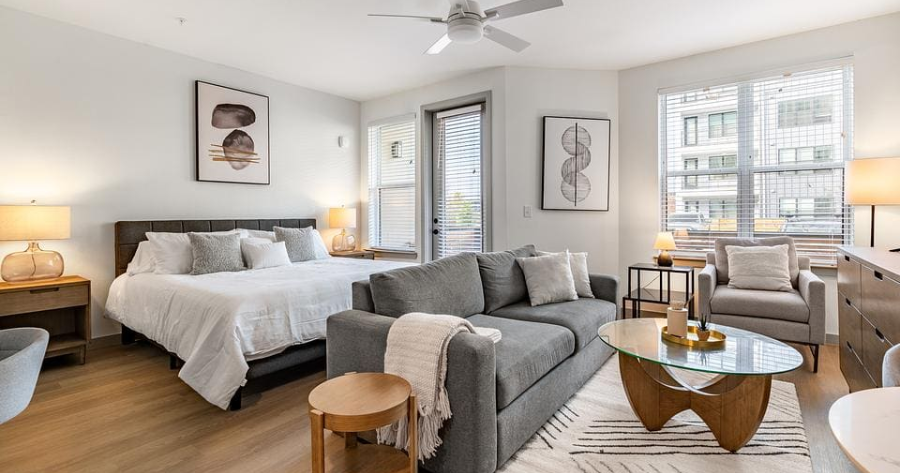
Mastering The U.S. Rental Market — From Cozy Studios To Multi-Bedroom Family Homes

How To Access Housing Assistance Programs Many Seniors Don’t Know About
Subscribe For New Quizzes


Copyright © 2019-2026 | All rights reserved.