


Beyond The Traditional Walker: How Smart Robotics And AI Are Revolutionizing Senior Mobility

For decades, maintaining personal mobility in older adulthood relied on a familiar, virtually unchanged tool: the standard aluminum frame walker or four-wheeled rollator. While functional, traditional walking aids come with well-documented drawbacks. They are often heavy, awkward to maneuver across uneven terrain, provide no active safety measures against falls, and carry an unwanted visual stigma that causes many seniors to delay using them until after an injury occurs.
Today, a technological shift is taking place at the intersection of medical engineering, robotics, and consumer electronics. A new class of smart mobility devices—ranging from AI-assisted motorized rollators and computerized smart walkers to lightweight wearable exoskeletons—is transforming how seniors navigate their homes and communities. By combining sleek ergonomics, obstacle-sensing electronics, and motorized power assistance, these advanced gadgets are replacing traditional walkers and restoring independence for older adults.
The Paradigm Shift: From Static Support to Intelligent Mobility
Traditional walkers rely entirely on the user’s upper-body strength to push, lift, and stabilize the frame. If a senior encounters an incline, lose balance on gravel, or fatigues midway through a walk, a standard walker offers no dynamic correction.
Next-generation smart mobility devices reverse this dynamic. Operating more like intelligent co-pilots, these sleek mobility aids actively analyze the terrain, monitor the user’s gait, and provide real-time mechanical assistance.
Designed with modern aesthetic principles—resembling high-end urban transport or minimalist sports gear rather than hospital equipment—these devices eliminate the psychological barrier to adopting mobility assistance.
Core Technological Innovations Driving the New Gadgets
Modern smart mobility devices incorporate advanced components borrowed from autonomous vehicles, robotics, and wearables:
1. Active Power-Assist & Downhill Braking
Integrated dual electric hub motors provide motorized propulsion when walking uphill, drastically reducing exertion for seniors with joint pain, cardiovascular fatigue, or muscle weakness. Conversely, when moving downhill, intelligent regenerative braking automatically slows the device to prevent it from pulling the user forward—a leading cause of rollator-related falls.
2. Obstacle Detection & Anti-Tip Sensors
Using a combination of ultrasonic sensors, LiDAR, and optical cameras, smart mobility devices scan the path ahead for curb edges, uneven pavement, carpet transitions, and stray household objects. If an obstacle is detected, the device provides subtle haptic vibrations through the handgrips or automatically engages gentle braking to allow the user to adjust their path safely.
3. Real-Time Gait Analytics & Health Tracking
Embedded weight sensors and motion telemetry measure step symmetry, posture, weight distribution, and walking speed. If the device detects sudden irregular sway or micro-stumbles, it increases wheel resistance to stabilize the user. Aggregated mobility data syncs to a smartphone app, allowing family members and physical therapists to track physical decline or rehabilitation progress over time.
4. Cellular GPS & Automatic Fall SOS Signals
Equipped with built-in SIM cards and GPS tracking, these devices allow seniors to explore local neighborhoods independently. In the event of an unexpected fall or sudden stop, internal 3-axis accelerometers trigger an automated alert with live location mapping sent directly to designated family contacts or emergency services.
Comparing Mobility Solutions: Traditional vs. Smart Devices
To understand the shift in performance, safety, and everyday functionality, consider this comparison between standard mobility equipment and current smart mobility technology:
| Feature / Metric | Traditional Standard Walker | Deluxe Manual Rollator | Next-Gen Smart Mobility Device |
| Primary Support Method | Full manual push/lift | Manual push with hand brakes | Motorized power-assist + active stabilizing |
| Incline / Decline Safety | Unassisted; risk of tipping | Manual brake control required | Auto-hill assist & dynamic downhill braking |
| Sensory Obstacle Alert | None | None | Ultrasonic / LiDAR obstacle detection |
| Weight & Portability | 6 – 10 lbs (requires lifting) | 18 – 25 lbs (bulky fold) | 14 – 22 lbs (carbon-fiber, quick-fold chassis) |
| Safety & Emergency Features | None | Manual parking brake | GPS tracking, fall-detection SOS, automated lights |
| Stigma Factor | High clinical appearance | Moderate clinical appearance | Low (modern, ergonomic consumer design) |
| Typical Cost Range (US) | $30 – $80 | $100 – $250 | $1,200 – $3,500 |
Real-Life Experience: Eleanor’s Return to Independence
Eleanor, a 78-year-old retired educator living in Denver, Colorado, began experiencing balance issues following hip replacement surgery. Although her physical therapist recommended a traditional walker, Eleanor felt self-conscious using it outside her home and restricted her daily outings to simple indoor movement.
-
The Transition: Her family researched alternatives and invested in a smart motorized rollator featuring carbon-fiber construction, power-assisted wheels, and automatic terrain braking.
-
The Daily Impact:
-
Uphill Confidence: The motor assistance allowed Eleanor to navigate the sloped sidewalks of her neighborhood park without suffering severe fatigue or shortness of breath.
-
Enhanced Safety: While walking over an uneven concrete expansion joint, the device’s anti-tip sensor stabilized the wheels, preventing a potential stumble.
-
Family Peace of Mind: The built-in GPS app allowed her daughter to check Eleanor's outdoor walking routes and receive notifications when she returned home safely.
-
-
The Outcome: "I stopped feeling like a patient and started feeling like myself again," Eleanor noted. "Instead of sitting at home avoiding steps and hills, I’m back walking two miles a day with my neighborhood walking group."
Buyer’s Guide: What to Consider Before Upgrading
For families and seniors evaluating a transition to a smart mobility gadget, keep the following practical factors in mind:
-
Total Weight and Foldability: Ensure the device is constructed from lightweight materials (such as aircraft-grade aluminum or carbon fiber) so it can be lifted into a car trunk or stored in compact living spaces without assistance.
-
Battery Life and Charging Range: Look for removable lithium-ion battery packs that offer at least 10 to 15 miles (16–24 km) of continuous powered support per charge, along with standard household wall-plug recharging.
-
Control Interface Simplicity: Advanced technology should not mean complex operation. The handle controls should feature intuitive push-button or touch-responsive throttles with high-contrast LED status screens that are easy to read for individuals with impaired vision.
-
Insurance and Reimbursement Realities: In the United States and parts of Europe, basic traditional walkers are covered under standard Medicare Part B or national health programs as Durable Medical Equipment (DME). Because smart mobility devices are classified as advanced mobility tech, they are often paid out-of-pocket or reimbursed through private Medicare Advantage plans, Flexible Spending Accounts (FSA), or Health Savings Accounts (HSA).
Frequently Asked Questions
Q: Are smart mobility devices difficult for seniors with limited tech experience to operate?
No. Leading manufacturers design these gadgets with "invisible tech" principles. The sensors, fall prevention features, and motor adjustments operate automatically in the background. The user simply grips the handles and walks normally.
Q: Can smart mobility devices be used indoors as well as outdoors?
Yes. Most models feature selectable modes—such as "Indoor Mode" (disabling high speeds and tightening the turning radius for tight hallways and doorways) and "Outdoor Mode" (activating terrain sensors and hill-assist motors).
Q: How do smart mobility devices handle rain or rough weather?
Quality devices carry IPX4 or IPX5 water-resistance ratings, protecting the internal electronics, battery housing, and motor hubs against light rain, splashes, and damp pavement.
The Road Ahead: A New Standard for Active Aging
The emergence of sleek, sensor-rich mobility devices represents more than a cosmetic update to the humble walker. By fusing robotic safety features with stylish, non-stigmatizing design, these devices address both the physical limits and psychological barriers associated with aging. As sensor costs drop and battery efficiency improves, smart mobility aids are set to become the standard choice for older adults seeking to stay active, mobile, and independent.


RECOMMEND ARTICLES

Most Read
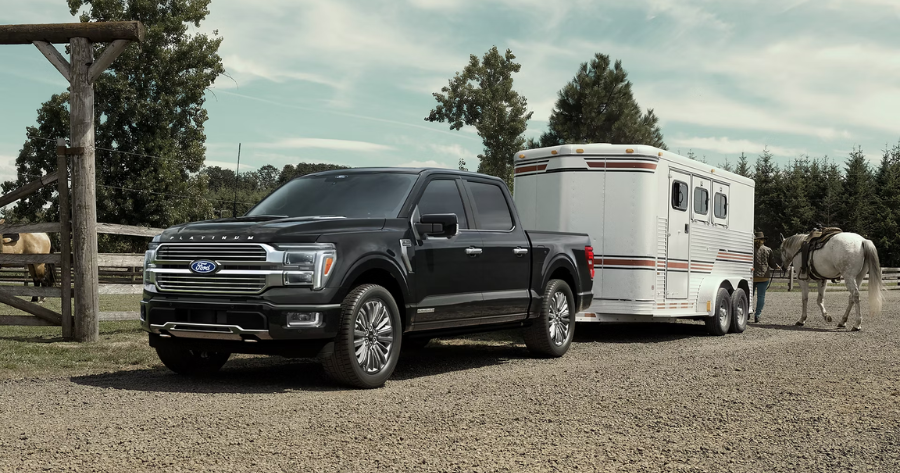
The Truth About $229 F-150 Monthly Payments

How To Find Every Free Toca Gift: A Complete Step-by-Step Guide For Players

How To Repair A Small Hole In Drywall: A Step-by-Step Beginner’s Guide

How To Earn Free Rec Tokens To Unlock Limited Brand Collab Avatar Skins & Full Outfits

How To Instantly Improve In Geometry Dash: A Practical Guide For Players

How To Get Roblox Secret Items: A Step-by-Step Guide For Players
Subscribe For New Quizzes


Copyright © 2019-2026 | All rights reserved.