


Cosmetic Product Testing: How It Works And How You Can Get Paid To Participate

Every time you pump a hydrating serum, brush on foundation, or smooth on a new sunscreen, you are experiencing the end result of a meticulous science: cosmetic product testing.
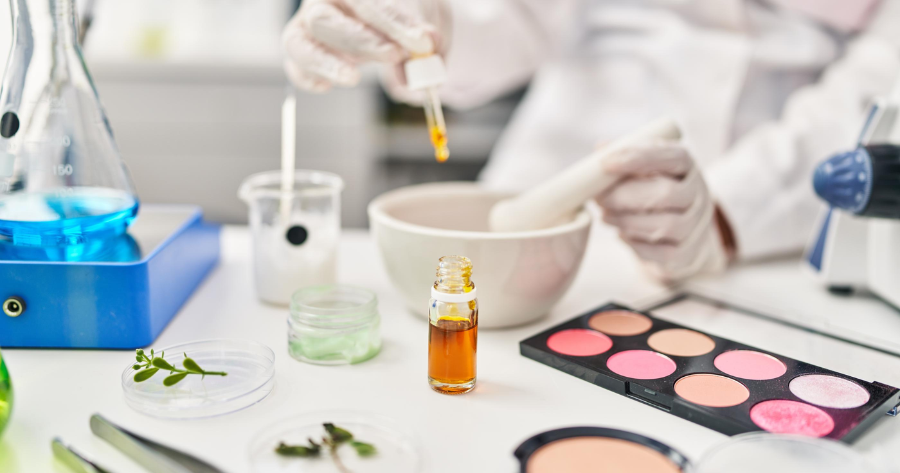
Behind every label claiming a product is "dermatologist-tested," "hypoallergenic," or "clinically proven to reduce fine lines," lies a comprehensive evaluation process. Beauty and skincare brands spend billions each year testing products to ensure they are safe, effective, and delightful to use.
Whether you are curious about what happens behind lab doors or interested in earning cash as a paid product tester, this guide breaks down how cosmetic testing works from start to finish.
Why Beauty Brands Test Products
Cosmetic testing isn't just a quality-control check—it’s a regulatory requirement and a vital business strategy. Brands conduct tests for three primary reasons:
-
Safety and Compliance: Under U.S. regulations—including the Modernization of Cosmetics Regulation Act (MoCRA)—brands must ensure their products are safe for public use and free from harmful pathogens or irritating formulations.
-
Claim Substantiation: If a brand advertises "24-hour hydration" or "reduces redness in 7 days," consumer protection laws require scientific or clinical proof to backup those marketing claims.
-
Consumer Experience Optimization: Formulators need to know how a product feels, smells, and absorbs. If a moisturizer leaves a sticky residue or a mascara flakes after two hours, testing reveals those flaws before a full retail launch.
The Core Stages of Cosmetic Product Testing
Cosmetic evaluation moves through three main phases before reaching store shelves:
1. In-Vitro & Microbiological Testing (The Lab Phase)
Before a formula ever touches human skin, chemists test it in laboratory settings.
-
Preservative Challenge Testing: Scientists deliberately introduce bacteria and mold into the formula to confirm that the product's preservative system prevents microbial growth over time.
-
Stability & Thermal Testing: Products are exposed to extreme heat, freezing temperatures, and UV light to make sure the formula won't separate, change color, or lose potency on store shelves.
-
Animal-Free In-Vitro Models: Modern cosmetics testing relies on advanced 3D lab-grown human skin models (such as EpiDerm) and computer modeling to screen for toxicity without animal testing.
2. Clinical Safety Testing (Dermatological Phase)
Once a product passes initial lab checks, it moves to clinical trials on human volunteers under medical supervision.
-
Human Repeat Insult Patch Test (HRIPT): This is the gold standard for testing skin irritation and allergic reactions. Patches containing the formula are applied to volunteers' skin repeatedly over several weeks to check for redness, itching, or sensitization.
-
Ophthalmologist Testing: Required for eye creams, mascaras, and cleansers to verify they won't sting sensitive eyes or harm contact lens wearers.
3. Consumer Efficacy & Experience Testing (Real-World Phase)
This stage measures how well the product actually works in real life.
-
Biometric Measurements: Clinical labs use specialized instruments like Corneometers (to measure skin hydration) and Visia high-definition cameras to track measurable changes in wrinkles, dark spots, and pore size.
-
In-Home Usage Testing (IHUT): Everyday consumers receive unbranded samples to use at home as part of their normal daily routine, logging their honest thoughts over days or weeks.
Getting Paid as a Cosmetic Product Tester
One of the best-kept secrets in the beauty industry is that brands actively pay everyday consumers to test cosmetics, skincare, and hair products. Research labs and market research panels need diverse skin types, age groups, and ethnicities to gather accurate data.
Types of Paid Testing & Compensation Breakdown
Compensation varies based on the time commitment, complexity of the study, and whether you test at home or in a clinic.
| Testing Format | Where It Happens | Typical Compensation | Requirements & Time Commitment |
| In-Home Usage Test (IHUT) | At home | Free full-sized products + $10 – $75 (cash, gift cards, or store credit) | Daily logbook entries, feedback surveys, 1–2 week commitment |
| Short Clinical Safety Study (Patch Test) | Local research lab (1–3 visits) | $50 – $200 via reloadable payment card or direct deposit | Patch application, skin checks by a dermatologist, zero product use at home |
| Multi-Week Clinical Efficacy Trial | Home + multiple clinic visits (4–12 weeks) | $150 – $500+ total payout | Strict adherence to routine, high-resolution before/after photos, bi-weekly skin scans |
| Focus Groups & Sensory Panels | In-person facility or virtual call | $75 – $200 per session (1–2 hours) | Detailed verbal feedback on texture, scent, packaging, and brand perception |
Pro Tip on Payment: Direct clinical research facilities (like Validated Claim Support, CPTC, or Eurofins) typically pay via direct deposit, check, or reloadable debit cards. Digital consumer panels often distribute rewards through PayPal, Amazon gift cards, or free premium beauty products.
Where to Find Legitimate Paid Cosmetic Testing Opportunities
If you want to participate, stick to established research platforms and official brand panels:
-
Direct Clinical Research Facilities: Look for independent clinical labs near major suburban or metropolitan areas (e.g., Validated Claim Support, Consumer Product Testing Company, or Eurofins). These labs pay the highest cash rates for in-person skin studies.
-
Brand-Specific Consumer Panels: Major conglomerates like L’Oréal Consumer Testing and Estée Lauder Companies run official consumer panels where members test prestige products pre-launch.
-
Verified Market Research Platforms: Services like Highlight, Home Tester Club, Pinecone Research, and Toluna frequently match consumers with at-home skincare and beauty testing campaigns.
How to Spot Scams
-
Never pay to join: Legitimate product testing panels are always 100% free.
-
No credit card required: Real testing companies will never ask for payment info to send you a test product.
-
Clear terms: Legitimate studies outline compensation upfront, including how and when you will be paid.
What to Expect as a Participant
If you are selected for a paid trial, the process is straightforward but requires consistency:
-
Demographic Screening: You’ll fill out a profile detailing your skin type (oily, dry, sensitive), tone, concerns (acne, aging, hyperpigmentation), and current product habits.
-
Strict Protocol Compliance: You must follow instructions carefully—such as avoiding other active ingredients (like Retinol or AHAs) during an anti-aging study.
-
Honest, Detailed Feedback: Brands don't just want glowing reviews; they want candid evaluations. Detailed feedback on texture, scent, and real-world results helps secure invitations to higher-paying future studies.
The Bottom Line
Cosmetic product testing bridges the gap between lab science and real-world results. It ensures that the beauty items on store shelves are safe, effective, and worth your money. For beauty enthusiasts, participating in paid testing offers a fun way to try upcoming products before anyone else while earning extra income for sharing your opinion.


RECOMMEND ARTICLES

Patinete Eléctrico A Plazos: Infórmate Sobre Las Diferentes Opciones De Pago
iPhone in Installments Without a Down Payment: Discover the Different Payment Options!

Treadmill Installment Plans with No Down Payment: Learn About Different Payment Options

Pay Monthly Laptop No Down Payment – Learn More

The Insider’s Guide To Costco Wine Cellars 2026: Smart Shopping Tips And High-Value Finds
The Tactician’s Wardrobe: A Guide To Sourcing And Styling Authentic Military Surplus

How To Get Products Through Email Marketing: A Step-by-Step Guide For General Users
How To Get Legitimate $0 Brand Name Samples Sent Straight To Your Door

How To Get A Free Or Discounted Tablet Via Lifeline
Most Read

Cash For Cars Services In The US: How Instant Payment Car Selling Works, Benefits, And Top Platforms

Oil Rig Recruitment Platforms: An Informational Guide To Offshore Hiring Portals In 2025

How To Play Toca Life Without Downloading: A Simple Guide For All Players

How To Set Up And Optimize 99 Nights In The Forest Auto Farm

How To Get Roblox Free Limited Items: A Step-by-Step Guide For Players

How To Find Flexible Jobs That Do Not Require Prior Experience: A Step-by-Step Guide
Subscribe For New Quizzes


Copyright © 2019-2026 | All rights reserved.