


How To Buy Used Cars At Auctions For Under $1000

Ready to find a reliable, affordable vehicle without draining your savings? In this guide, you'll discover the entire process of buying used cars at auctions for under $1000, from pre-auction research to final paperwork. You’ll walk away with the knowledge to score a functional vehicle at a fraction of standard dealership prices.
Why should you care about this auction buying method? This approach opens up access to vehicles that fit even the tightest budgets, perfect for first-time owners or secondary work cars. But it's important to understand the process thoroughly to avoid costly missteps and get the best possible value for your money.
Why Buying Used Cars at Auctions For Under $1000 Is Worth Your Time
- Ultra-low upfront cost: You can secure a functional vehicle for far less than the average down payment on a standard used car, making ownership accessible even with limited immediate funds. This is ideal for anyone who needs basic transportation without taking on a monthly loan.
- Wide selection of vehicles: Auctions carry a diverse range of makes, models, and years, so you can often find options that match your specific needs, from compact commuter cars to small work trucks. You won’t be limited to the small inventory of local budget dealerships.
- Transparent pricing structure: Auction bids are open and competitive, so you avoid the haggling and hidden fees that often come with private seller or dealership purchases. You only pay the final bid amount plus standard small auction fees.
- Opportunity to build mechanical skills: If you enjoy working on cars, a low-cost auction vehicle gives you a low-stakes project to practice repairs and upgrades. You can customize the vehicle over time without worrying about damaging a high-value investment.
- Fast purchase process: Unlike private sales that can take weeks of negotiation and coordination, most auction purchases are completed in a single day. You can drive away with your new vehicle as soon as you finalize payment and paperwork.
Step-by-Step Guide to Buying Used Cars at Auctions For Under $1000
Step 1: Research local public auctions and their schedules
Start by searching for public auto auctions in your area, including government surplus, tow lot, and dealer public auctions. Check their websites to confirm they sell vehicles with no reserve or low starting bids that can go for under $1000. Note their upcoming sale dates, vehicle preview windows, and required registration steps.
Common mistake to avoid: Don’t skip checking if the auction allows general public participation, as some are limited to licensed dealers only.
Step 2: Set a firm budget and gather required documentation
Decide on your absolute maximum budget, including the 10% to 15% buyer’s premium most auctions charge on top of the final bid. Gather your valid driver’s license, proof of insurance, and the full amount of your budget in cash or a certified check, as most auctions don’t accept personal checks or payment plans for low-bid vehicles.
Pro tip: Bring a small notebook to jot down vehicle VINs, visible issues, and your maximum bid for each car you’re interested in.
Step 3: Attend the pre-auction preview to inspect vehicles
Arrive during the scheduled preview period before the auction starts to look over every vehicle you’re considering. Check for obvious body damage, oil leaks, tire condition, and signs of major mechanical issues, and use the VIN to run a basic free vehicle history report on your phone. Test the doors, windows, and lights if you’re allowed, but don’t attempt to start the vehicle unless auction staff give permission.
Common mistake to avoid: Don’t bid on a vehicle you haven’t inspected in person, as photos and online descriptions often leave out major flaws.
Step 4: Register as a bidder and observe the auction flow first
Head to the registration desk when you arrive to get your bidder number, which you’ll hold up to place bids. If it’s your first auction, watch a few sales first to get used to the fast pace and bidding signals before you join in. Pay attention to how quickly bids rise, and note which types of vehicles attract the most competition.
Pro tip: Stay calm during bidding, and don’t get caught up in bidding wars that push you over your pre-set maximum budget.
Step 5: Place your bid and finalize the purchase if you win
When the vehicle you want comes up for sale, hold up your bidder number clearly to place your bid. If you have the winning bid, head to the payment desk immediately to pay for the vehicle and the associated fees. You’ll receive the bill of sale and any available title paperwork at this time.
Common mistake to avoid: Don’t leave the auction without confirming that you have all required paperwork to register the vehicle in your state.
Step 6: Arrange transportation for your new vehicle
Most auction vehicles are sold as-is, and many may not be registered or insured to drive off the lot. Have a tow truck on call or bring a licensed, insured driver with you to transport the vehicle home if it is street legal. Make sure you have temporary insurance coverage in place before you move the vehicle at all.
Pro tip: If you don’t have a regular tow contact, look up local tow companies with affordable short-distance rates before the auction day.
Challenges to Be Aware Of
- As-is purchase risk: All auction vehicles are sold with no warranty, so any mechanical or cosmetic issues become your responsibility once you place a winning bid. You can mitigate this risk by thoroughly inspecting vehicles during the preview and running a vehicle history report before you bid.
- Fast-paced bidding environment: Auctions move very quickly, and it can be easy to get caught up in the excitement and bid more than you planned. Set a strict maximum budget for each vehicle you’re interested in, and stick to it even if you feel competitive with other bidders.
- Limited vehicle history access: Many auction vehicles come with incomplete service records, and some may have hidden damage from accidents or lack of maintenance. If you’re not confident assessing vehicle condition yourself, bring a trusted mechanic with you to the pre-auction preview for a second opinion.
- Title and registration hurdles: Some auction vehicles may have salvage titles, missing paperwork, or outstanding liens that can make registration difficult. Ask auction staff about the title status of any vehicle you’re interested in before you place a bid, and avoid vehicles with unclear title documentation.
Conclusion
You now have the foundation to start buying used cars at auctions for under $1000 confidently. You know how to research auctions, inspect vehicles, stick to your budget, and navigate the bidding process successfully, so you’re ready to attend your first auction with clear expectations.
Buying used cars at auctions for under $1000 offers the core opportunity to access affordable transportation without taking on debt, and by mastering this process, you're positioning yourself to save thousands on vehicle costs for years to come. You can even use these skills to find project cars or affordable vehicles for family members.
Don't wait for the perfect moment. Start researching local public auctions in your area today. You may be surprised by how many great low-cost vehicle options are available just a short drive from your home.
FAQ
How long does the entire auction buying process take from start to finish?
Most public auctions take 3 to 6 hours total, including the pre-auction preview, registration, bidding, and final paperwork. If you prepare ahead of time and have your documents and budget ready, you can leave with your vehicle the same day. Plan to arrive at least an hour before the bidding starts to complete registration and inspect vehicles.
Take time to review auction schedules this week to find one that fits your availability.
Do I need a special license or dealer status to participate in these auctions?
Many public auctions are open to all general attendees with a valid driver's license, though some specialty auctions are limited to licensed dealers. Always check the auction's website or call ahead to confirm public participation is allowed before you attend. You will also need proof of insurance and full payment to complete a purchase if you win a bid.
Double check the auction's participation rules before you plan your visit to avoid being turned away at the door.
What's the best way to check for hidden mechanical issues during the pre-auction preview?
Start by looking for obvious signs like leaking fluids under the vehicle, rust on the frame, or cracked engine components. Pull the oil dipstick to check for dirty or milky oil, which can signal serious engine damage. If you don’t have experience assessing cars, bring a friend or family member with mechanical knowledge with you for a small fee.
Practice checking these basic components on your current vehicle to build your assessment skills before the auction.
Can I resell an auction car I bought for under $1000 for a profit later?
If you are able to fix minor issues at low cost, you may potentially be able to resell the vehicle for a higher price later, depending on its condition and local market demand. Many people use these low-cost auction purchases as side projects to build small extra income over time. Just make sure you have all the required title and registration paperwork to transfer ownership legally when you resell.
Start by researching local used car prices for common models to get a sense of potential resale value for different vehicles.


RECOMMEND ARTICLES
How To Find Reliable Used Electric Cars Under €5,000 Near You: Senior-Friendly EV Hunting Guide
How To Find A Reliable Used Car Under 10 Million Won In South Korea For Seniors
How To Snag A Reliable Used SUV Under $10,000 Without Compromising On Safety And Performance
How To Find Reliable Used Cars Under 1 Million Yen In Japan

Your Ultimate 2026 Guide To Buying Enterprise Used Cars: Pricing, Deals & Insider Tips

How To Buy A Government-Seized Car Through GSA Auctions: A Guide For Veterans And General Buyers

Seniors' Guide: How To Find Reliable Used Cars Under 3.000€ In Europe
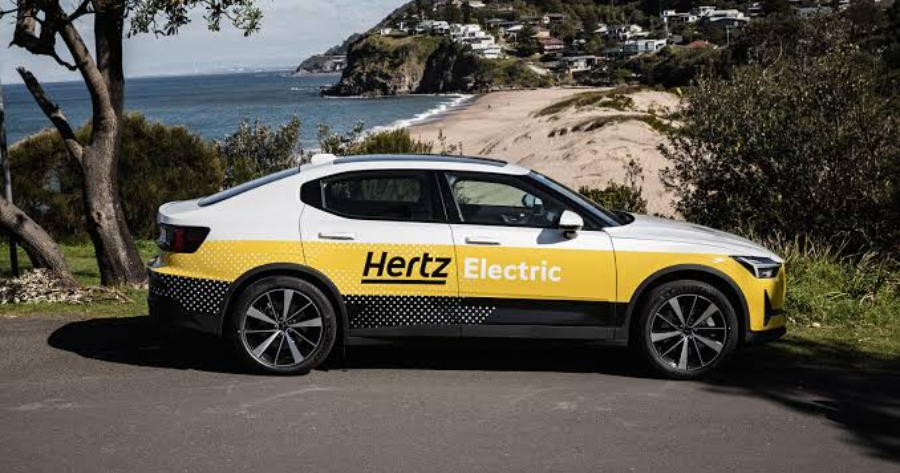
The Truth About $1,000 Cars: A Canadian Guide To Hertz Used Cars And Low-Cost Realities
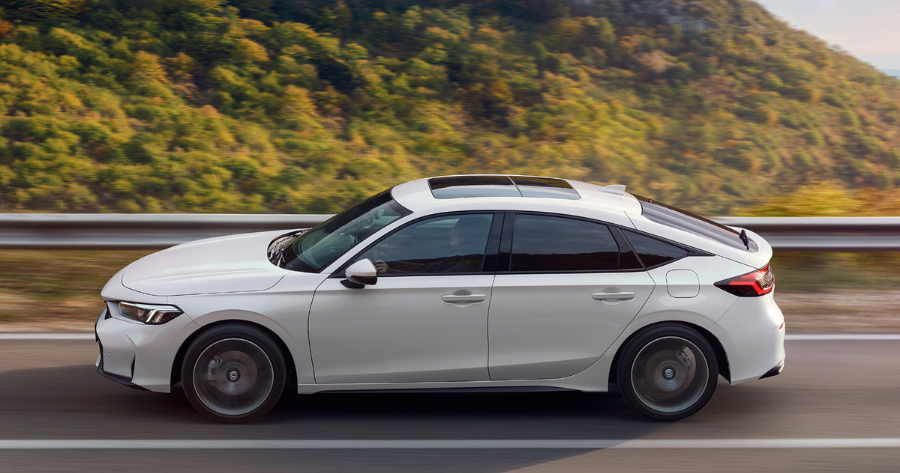
Hertz Used Cars: Quality Pre-Owned Vehicles At Great Prices
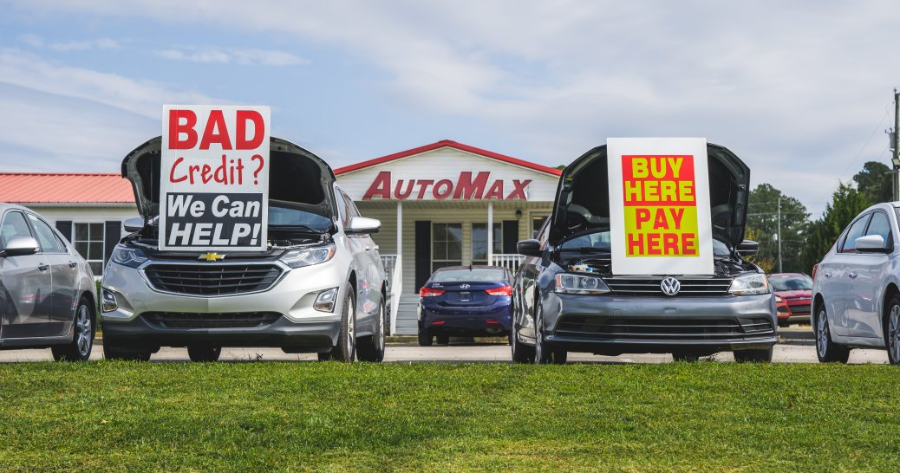
Understanding Buy Here Pay Here Dealerships For Budget-Conscious Car Shoppers
Most Read

How To Find A Senior Degree Course Online: A Practical Guide For Senior Learners

How To Get A Free Or Discounted Tablet Via Lifeline

How To Get Started As A YouTuber: A Step-by-Step Guide For Streamers

How To Choose The Protein Powder That Suits You: A Beginner's Complete Guide

How To Get Free CP And Rare Skins In Call Of Duty Mobile For Beginners?

How To Unlock Free VR Game Access Tricks 90% Of Players Miss
Subscribe For New Quizzes

Copyright © 2019-2026 | All rights reserved.