


How To Choose The Right Seniors Footwear For Maximum Comfort And Fall Prevention

Have you ever noticed how a simple walk to the mailbox suddenly feels like navigating a complex obstacle course? Aging feet naturally change in shape and sensitivity over time, making proper footwear incredibly important for maintaining daily stability. Finding the right pair of senior shoes often requires careful attention to specialized design details and personal comfort preferences. Are you ready to explore structural features that genuinely support your ongoing mobility journey?
Many caregivers and older adults frequently overlook how specialized footwear transforms everyday routines into much safer living experiences. Professional podiatrists consistently recommend specific construction elements to address common balance concerns effectively throughout your day. You might wonder which materials actually deliver reliable support without causing unexpected discomfort, so let us examine how thoughtful selection processes genuinely enhance your personal independence.
Why Senior Footwear Selection and Fitting Is Worth Your Time
Building upon these advantages, investing in appropriate footwear often yields meaningful improvements to your overall physical well-being. You will likely notice positive changes when prioritizing structural support during daily activities. You may experience enhanced stability when stepping onto wet surfaces or uneven outdoor pavement. Proper arch support frequently reduces joint fatigue during extended standing periods. Adjustable closures can easily accommodate natural swelling fluctuations throughout your daily schedule. Wide toe boxes commonly prevent painful friction while allowing natural foot movement. Quality cushioning potentially minimizes direct impact on sensitive heels and aging joints.
Step-by-Step Guide to Senior Footwear Selection and Fitting
Step 1: Measure Your Feet in the Afternoon
Your foot dimensions often expand slightly as the day progresses, making afternoon measurements significantly more accurate. Stand on a blank sheet and trace both feet carefully while wearing your typical walking socks. Compare your longest toe against standard sizing charts to identify your precise baseline before shopping. Will you prioritize accurate measurements to ensure optimal daily comfort?
Step 2: Prioritize Non-Slip Rubber Outsoles for Traction
Multi-directional rubber grooves generally provide superior grip on both wet tiles and dry pavement surfaces. You should look for deep tread patterns that actively channel away standing water during rainy weather. Testing the sole flexibility helps confirm adequate ground feedback for safer walking mechanics. How confident would you feel stepping onto a recently cleaned kitchen floor?
Step 3: Select Wide Toe Boxes for Natural Alignment
Aging feet frequently experience changes in arch height and toe positioning that narrow shoes simply cannot accommodate. Choosing a rounded front section allows your toes to spread comfortably during each natural stride. This design choice often reduces pressure points while supporting better overall posture throughout the day. Are you tired of feeling cramped after just twenty minutes of walking?
Step 4: Evaluate Adjustable Closure Systems
Traditional laces may become difficult to manage as hand dexterity naturally shifts over many years. Hook-and-loop straps or elastic bungee systems offer customizable tightness without requiring complex tying techniques. You can easily modify the fit around your midfoot when swelling fluctuates unexpectedly during activities. Would you prefer a secure closure that adapts seamlessly to your daily comfort needs?
Step 5: Verify Internal Cushioning and Arch Support
Shock-absorbing insoles frequently help distribute weight evenly across your entire foot structure during prolonged use. Check for removable footbeds that accommodate custom orthotics if your podiatrist recommends additional structural reinforcement. Pressing gently into the heel and forefoot reveals the actual density of protective padding materials. Does your current footwear truly absorb the impact of each careful step?
Step 6: Test Stability Before Finalizing Your Purchase
Walking slowly around the store allows you to assess balance and heel alignment during actual movement patterns. Pay close attention to any slipping sensations or unexpected pressure points along the outer edges of the shoe. Asking a companion to observe your gait provides valuable external feedback regarding overall performance. Could this brief trial period prevent future discomfort during your routine walks?
Challenges to Be Aware Of
Moving beyond the benefits, you should also recognize several common obstacles. Finding the correct size often requires extra patience when different manufacturers use varying measurement standards across collections. Specialized medical features sometimes increase the initial cost compared to standard retail footwear options available locally. Adapting to a new shoe structure may temporarily alter your walking rhythm until your muscles adjust properly. Limited color selections can restrict personal style preferences when prioritizing functional safety features.
Conclusion
Ultimately, selecting appropriate footwear truly represents a meaningful investment in your daily comfort and long-term mobility. You can confidently navigate changing foot conditions by focusing on proven design elements and professional guidance. Taking time to evaluate each feature carefully often leads to safer steps and reduced fatigue. Which design priority will you focus on during your next shopping trip?
FAQ
How often should seniors replace their walking shoes?
Most experts suggest examining footwear every six to eight months for visible wear patterns. You should pay attention to compressed cushioning and smoothed outsole treads that reduce traction effectiveness. Scheduling regular checks helps maintain consistent support before noticeable discomfort develops. Explore our seasonal replacement checklist to keep your routine on track.
What makes an outsole truly effective at preventing slips?
Multi-directional rubber grooves generally provide superior grip on both wet and dry surfaces. You will notice better stability when the tread channels water away from the contact zone quickly. Professional podiatrists often recommend testing flexibility to ensure the sole moves naturally with your foot. Review our tread pattern guide to verify optimal traction levels today.
Why do aging feet require wider toe boxes?
Natural ligament stretching and fat pad thinning frequently alter foot width over many years. Standard narrow designs can compress your toes and restrict essential blood circulation during daily movement. A spacious front section allows natural toe splay and reduces painful friction points significantly. Check our sizing recommendations to find your ideal width match.
Can custom orthotics fit inside standard senior shoes?
Many modern designs include removable footbeds specifically engineered to accommodate personalized medical inserts. You should measure the insert thickness to verify it fits comfortably without crowding your foot. Proper depth ensures both devices work together without creating new pressure zones along the arch. Contact your footwear provider for customized depth specifications today.

RECOMMEND ARTICLES
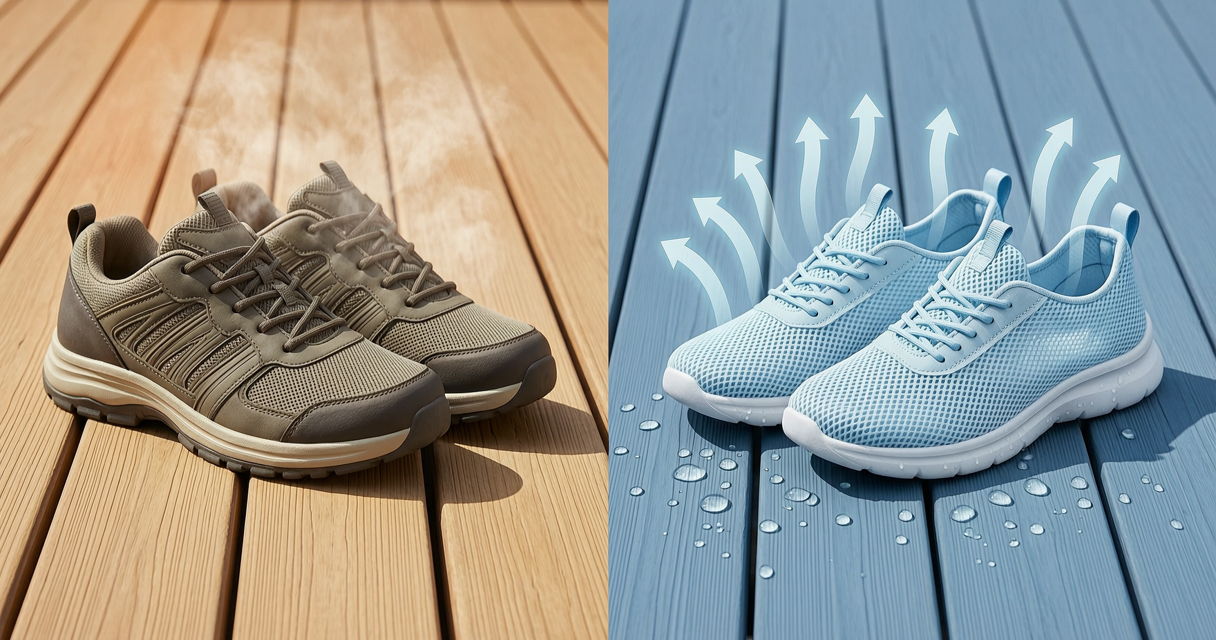
How To Keep Senior Feet Cool And Dry With Breathable Summer Footwear
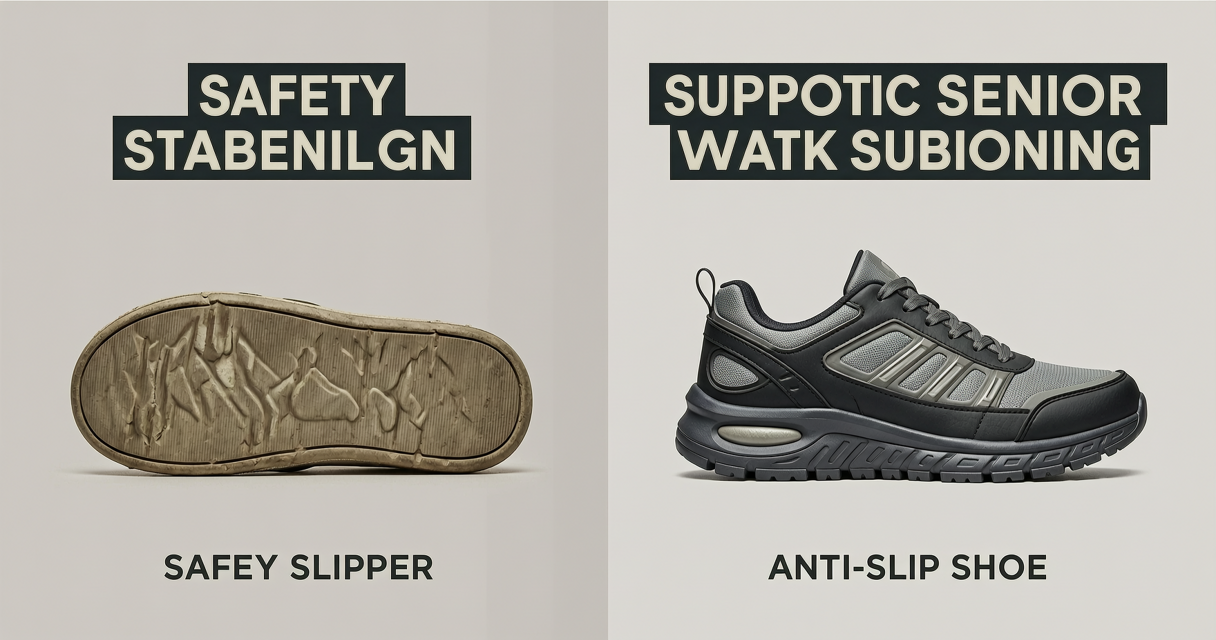
How To Choose Safe Footwear For Seniors: Fall Prevention & Arch Support Guide
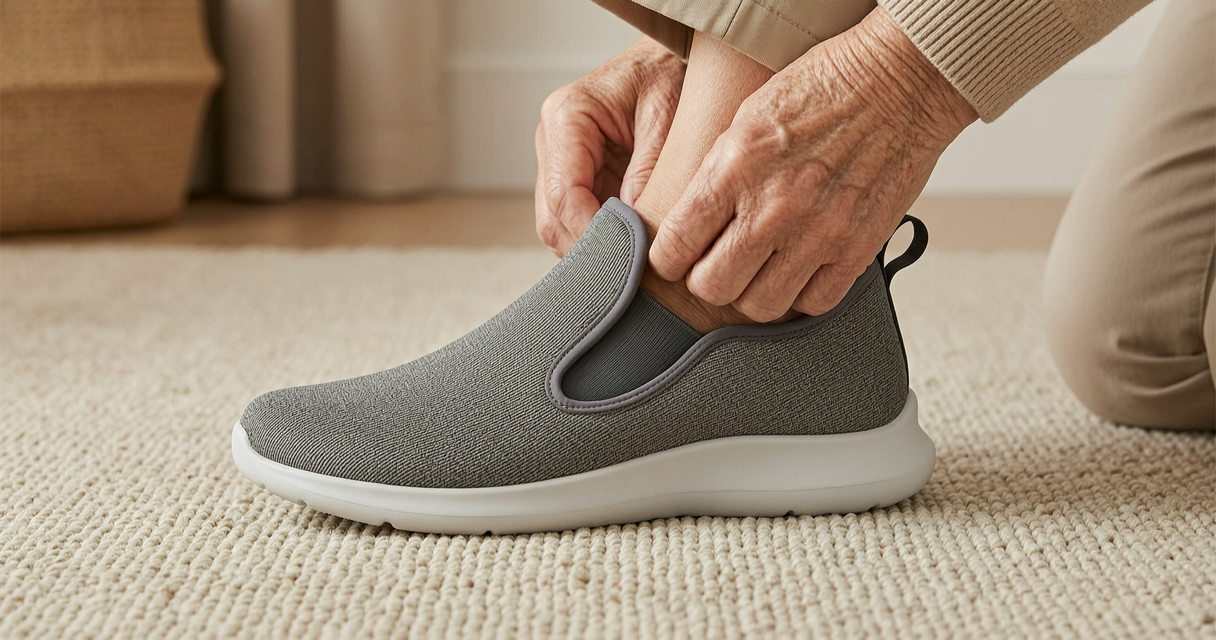
How To Pick Adaptive Slip On Shoes For Seniors With Limited Hand Dexterity
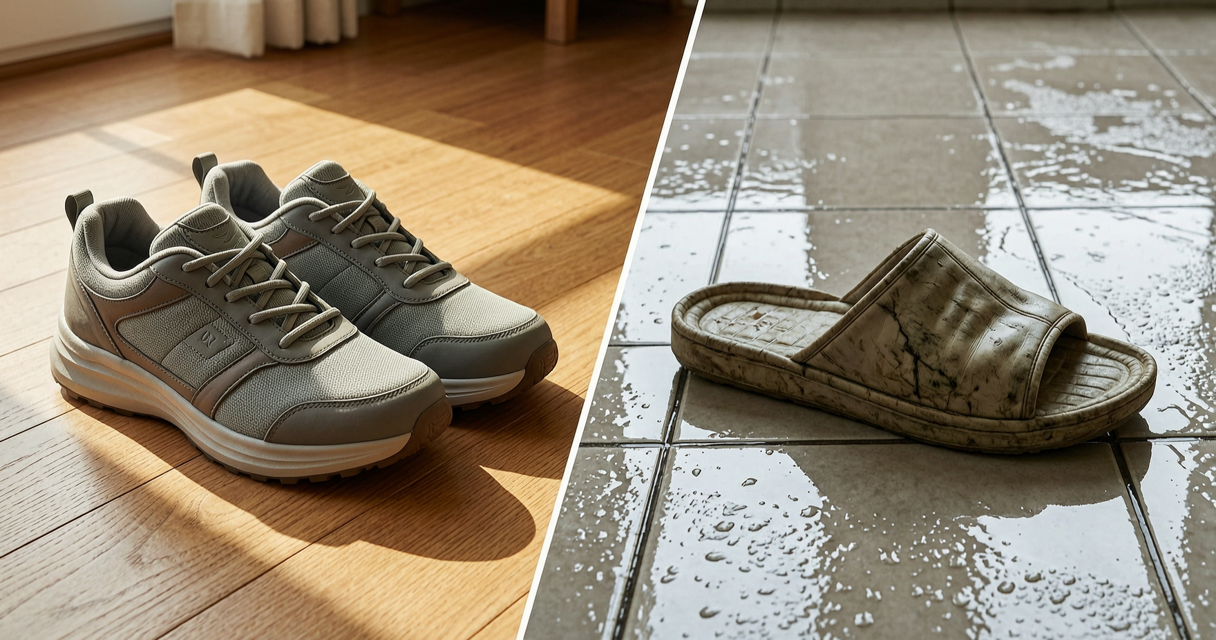
How To Choose The Best Seniors Footwear For Daily Comfort And Fall Prevention
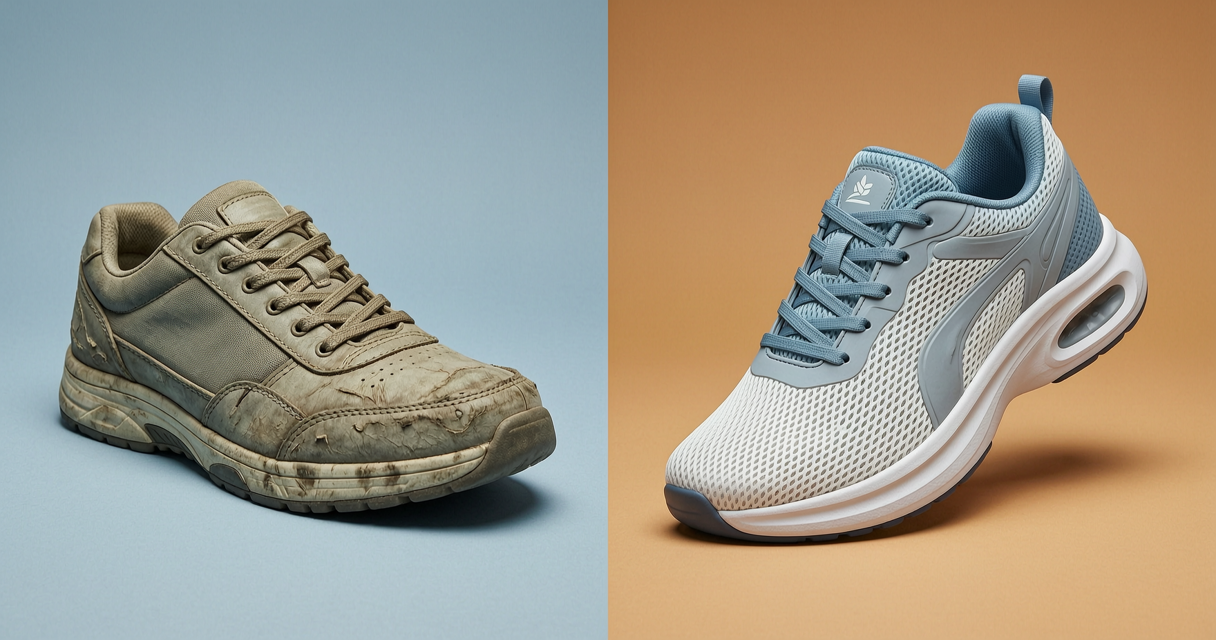
How To Select Orthopedic Walking Shoes For Seniors Managing Chronic Joint Pain
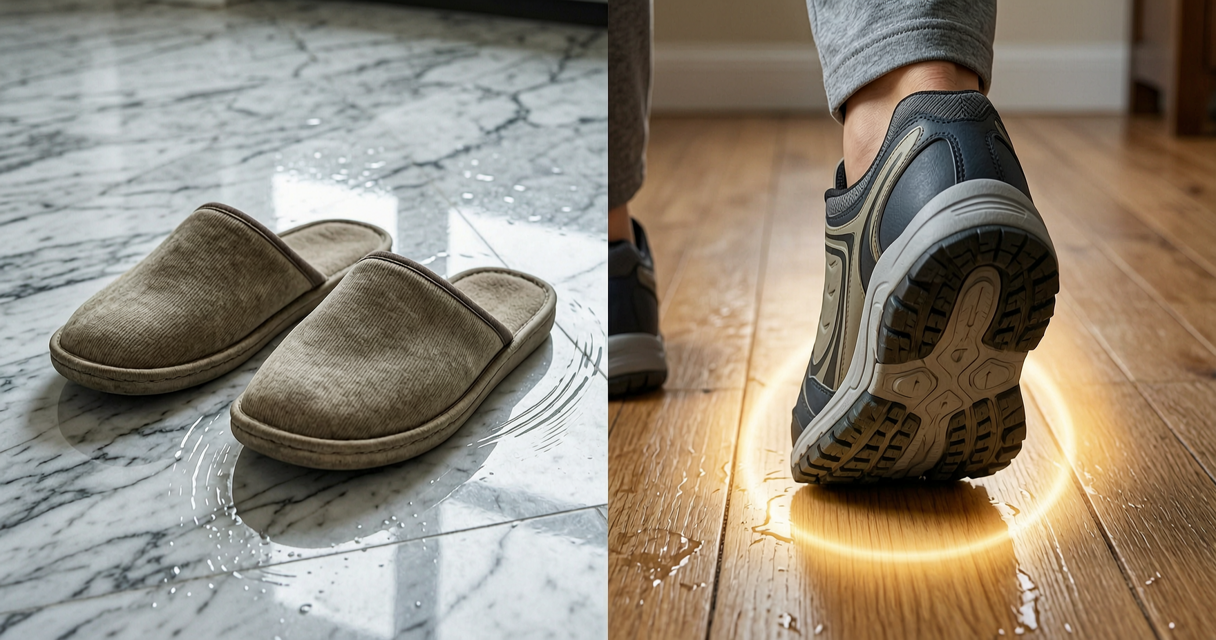
How To Choose Non Slip Footwear For Seniors To Prevent Falls
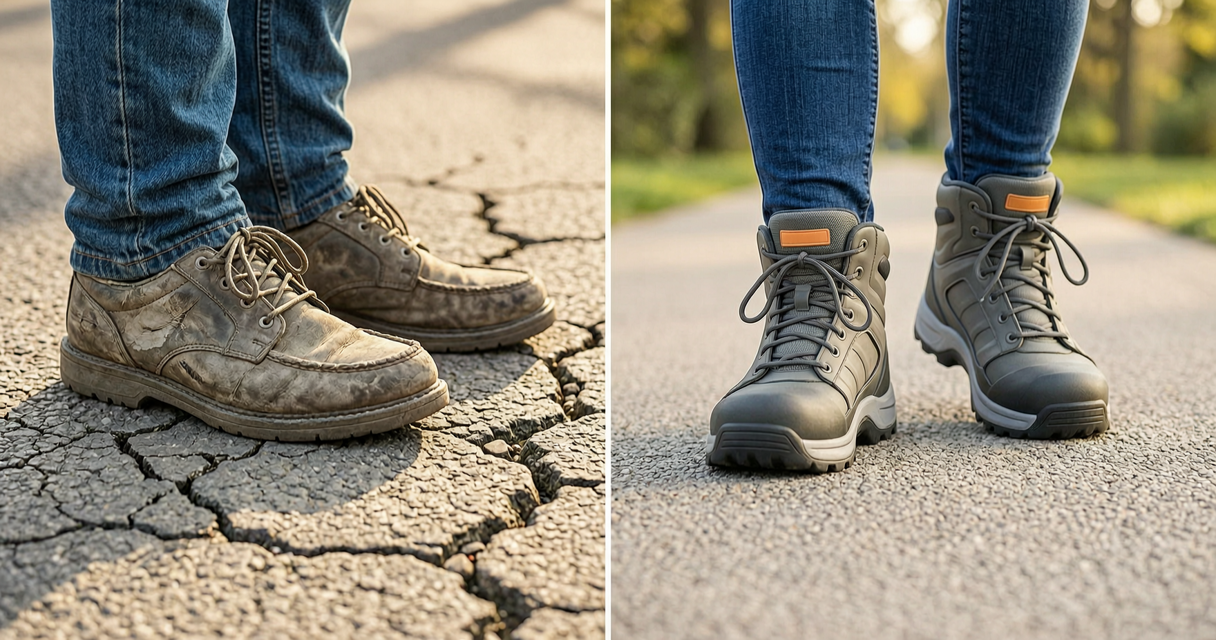
How To Select And Break In Safety Footwear For Seniors To Walk With Confidence
Most Read

How To Get Free And Secret Crumpets In Toca Life

How To Get And Play The Verity Mod In Minecraft

How To Brew The Perfect Cup Of Pour-Over Coffee At Home

How To Set Up And Use Remote Play For PlayStation: A Complete Guide For Players

How To Get A Free Zepeto Outfits That Matches Your Aesthetic

Are Avatar World Hacks Worth Your Time And Effort?
Subscribe For New Quizzes


Copyright © 2019-2026 | All rights reserved.