


How To Easily Add Various Sarees To Photos Using AI Tools
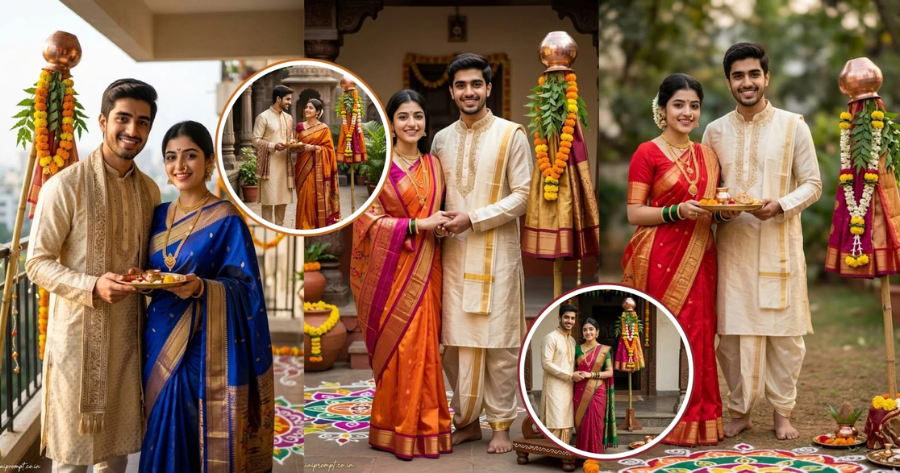
Have you ever wanted to showcase traditional attire without spending hours on complex photo edits? Modern AI tools now allow you to experiment with elegant fabric drapes right from your screen. You can easily transform standard portraits into stunning fashion visuals. Would you like to see how quickly you can achieve professional results?
To begin with, following a structured workflow helps you integrate beautiful saree designs into your existing images. This approach works wonderfully for online catalogs and creative social posts. You simply need a reliable inpainting platform and a clear editing strategy. Are you ready to elevate your visual storytelling?
Why AI-Powered Saree Photo Editing Is Worth Your Time
First, you can significantly reduce the time required for traditional retouching tasks. Manual adjustments often demand advanced software skills and endless layer tweaking. AI platforms automate the heavy lifting while preserving your creative control. Why spend hours masking fabrics when algorithms can handle the basics?
In addition, you gain access to an extensive library of virtual textiles. You can test multiple patterns and color palettes before finalizing your selection. This flexibility helps you match seasonal trends without purchasing physical inventory. Have you considered how much budget this approach might save you?
Furthermore, the technology adapts well to diverse body types and poses. Modern generation models analyze natural shadows and existing contours. You receive results that align closely with realistic fashion photography standards. Could your next campaign benefit from such adaptable visuals?
Finally, you can iterate rapidly during the design phase. Quick adjustments allow you to refine details without starting over. This workflow supports both casual creators and professional e-commerce managers. Are you prepared to streamline your content pipeline?
Step-by-Step Guide to AI-Powered Saree Photo Editing
Step 1: Prepare Your Base Image
To start the process, you should choose a clear photo with consistent lighting. Avoid heavily filtered pictures since AI models prefer natural tones. Crop the frame to focus on your primary subject area. Does your image provide enough resolution for detailed generation?
Step 2: Mask the Target Area
Once your base is ready, use the inpainting brush to carefully outline the region you wish to replace. Keep your strokes smooth and slightly beyond the original garment boundaries. This extra space allows the algorithm to blend edges naturally. Are you ready to see how precise masking impacts the output?
Step 3: Optimize Prompts for Realistic Draping
After masking the area, craft a detailed description that specifies traditional weave patterns and material weight. Mention keywords like gravity-aligned folds, silk zari borders, and soft cotton drape. This guidance helps the model generate authentic textile behavior. How might your prompt shape the final drape style?
Step 4: Align Lighting for Seamless Integration
Following texture optimization, match the virtual lighting direction to your original photograph carefully. Many platforms offer directional light sliders or ambient occlusion settings. Aligning these elements prevents the added saree from looking artificially flat. Can you spot the difference when shadows align perfectly?
Step 5: Refine Edges and Seam Blending
With lighting aligned, review the generated output for harsh transitions around the shoulders and waist. Apply gentle feathering or use localized eraser tools to smooth out irregular patches. Re-prompt smaller sections if specific pleats appear distorted. Which area typically requires the most delicate touch during integration?
Step 6: Export and Final Review
Before finalizing the project, save your composition in a lossless format to preserve fine details. Inspect the image under different screen brightness levels before publishing. You can always return to the canvas for minor color grading tweaks. Does the final visual meet your creative expectations?
Challenges to Be Aware Of
Despite these clear advantages, you may encounter occasional inconsistencies in complex folds. Highly intricate pleating patterns sometimes appear slightly misaligned or repetitive. You should expect to run a few variations before finding the ideal composition. How will you handle unexpected generation quirks?
On the other hand, you might also struggle with accurate color matching across different device displays. Screens vary significantly in calibration, which affects how virtual fabrics render. Testing your images on multiple monitors can help you maintain consistent quality. Are you monitoring how your audience perceives these color shifts?
Additionally, free platforms often impose usage limits or queue delays. High-traffic servers can slow down your editing sessions during peak hours. Planning your workflow around off-peak times usually improves response speeds. Could scheduling your projects help you maintain steady momentum?
Conclusion
Ultimately, integrating AI tools into your fashion workflow opens up countless creative possibilities. You can experiment with traditional designs while maintaining a professional standard. The process rewards patience and thoughtful prompt engineering. Will you start building your digital wardrobe today?
FAQ
How can I ensure the AI-generated saree drapes naturally over the shoulders?
You should focus on providing specific weight and flow descriptors in your prompt. Mentioning terms like gravity-aligned folds or shoulder contour fitting guides the model effectively. Testing multiple iterations often yields the most organic results. Explore different phrasing combinations to discover your ideal drape style.
Which free AI platforms work best for clothing inpainting tasks?
Several open-source tools and web-based generators offer reliable inpainting capabilities without upfront costs. You can evaluate options by checking their community forums and recent update logs. Many platforms provide generous daily credits for casual creators. Have you reviewed the latest feature releases from popular services?
Why does my virtual saree sometimes look disconnected from the original photo lighting?
Mismatched lighting usually stems from ignoring ambient shadows and directional highlights. You can resolve this by adjusting the inpainting tool light alignment settings. Adding subtle glow or shadow masks helps bridge the visual gap. Try matching your environment tone to see immediate improvements.
Can I use these edited images for commercial e-commerce listings?
Most platforms allow commercial usage provided you verify their specific licensing terms. You should always review the service agreement regarding generated assets and attribution rules. Keeping records of your prompts and generation dates helps maintain compliance. Check your chosen platform guidelines before publishing any storefront content.


Most Read
How To Improve Acne Naturally: 7 Skincare Tips + Belskin Routine Guide
How To Boost Your Phone's Battery Life And Stop Unnecessary Draining
How To Improve Your Posture While Working At A Desk

How To Detect A Ghost In Real Life With Free Applications
How To Check How Rare Your Birthday Is: A Simple Step-by-Step Guide
How Many Of Disney's Secret Movie Easter Eggs Have You Discovered?
Subscribe For New Quizzes


Copyright © 2019-2026 | All rights reserved.