


How To Get Whiter Teeth As A Teen: Safe, Easy Practices To Boost Your Smile Confidence

Ready to feel more confident about your smile every time you take a photo or talk to friends? In this guide, you’ll discover simple, safe habits to keep your teeth healthy and bright, even with a busy teen schedule packed with school, snacks, and hangouts. No fancy expensive products required, just easy steps you can add to your existing routine.
Why should you care about the color of your teeth in the first place? A brighter, healthy smile can boost your self-esteem and help you feel more comfortable in social situations, from class presentations to weekend meetups. But it's important to understand which methods are safe for your growing teeth, and which you should avoid entirely to prevent damage.
Why Learning About Teeth Care Is Worth Your Time
- Low effort, high reward: Most brightening habits take just a few extra seconds a day, and you can add them to your existing morning and nightly routine without changing your schedule much. You don’t have to spend extra time or money to see small, positive changes over time.
- Boosts social confidence: When you feel good about your smile, you’re more likely to speak up in class, laugh openly around friends, and feel less self-conscious in photos. For many teens, this small change can make a big difference in how they show up every day.
- Supports long-term oral health: The same habits that keep your teeth bright also prevent cavities, gum disease, and bad breath, so you’re investing in more than just your appearance. You’ll avoid painful dental visits and expensive treatments later on down the line.
- Easy to share with friends: Once you learn these simple tips, you can pass them on to your friends or family members who also want to improve their smile. It’s a low-pressure way to help people you care about feel better about themselves too.
Step-by-Step Guide to Keeping Your Teeth Bright and Healthy
Step 1: Adjust your daily brushing routine
Start by brushing your teeth twice a day for two full minutes each time, using a soft-bristled toothbrush and fluoride toothpaste. Angle the brush 45 degrees against your gums to remove plaque and surface stains before they set in, and don’t forget to brush the back of your front teeth, where stains often collect first.
Pro tip: Set a timer on your phone while you brush to make sure you’re spending the full two minutes cleaning every surface of your teeth.
Step 2: Cut back on stain-causing foods and drinks
Limit how often you consume dark beverages like soda, iced coffee, energy drinks, and berry juices, which are the most common causes of yellow teeth in teens. If you do drink them, use a straw to reduce contact with your tooth enamel, and rinse your mouth with water right after to wash away leftover residue.
Common mistake to avoid: Don’t brush your teeth right after drinking acidic drinks, as this can scratch softened enamel and make stains worse. Wait at least 30 minutes before brushing.
Step 3: Add a daily flossing habit to your routine
Floss between every one of your teeth at least once a day to remove food particles and plaque that your toothbrush can’t reach. Plaque buildup between teeth can cause discoloration as well as cavities, so this small step makes a big difference in both the look and health of your smile.
Pro tip: Keep a pack of floss picks in your backpack or locker so you can floss after lunch at school even if you don’t have a lot of time.
Step 4: Try safe, at-home brightening options if you want faster results
If you want to lighten stains a little faster, use over-the-counter whitening toothpaste that has the American Dental Association (ADA) seal of approval, as these are designed to be gentle on enamel. You can also talk to your dentist about affordable, teen-safe whitening treatments at your next regular checkup.
Common mistake to avoid: Don’t use unregulated DIY whitening hacks like baking soda scrubs or activated charcoal, as these can wear down your enamel permanently.
Step 5: Visit your dentist for regular cleanings twice a year
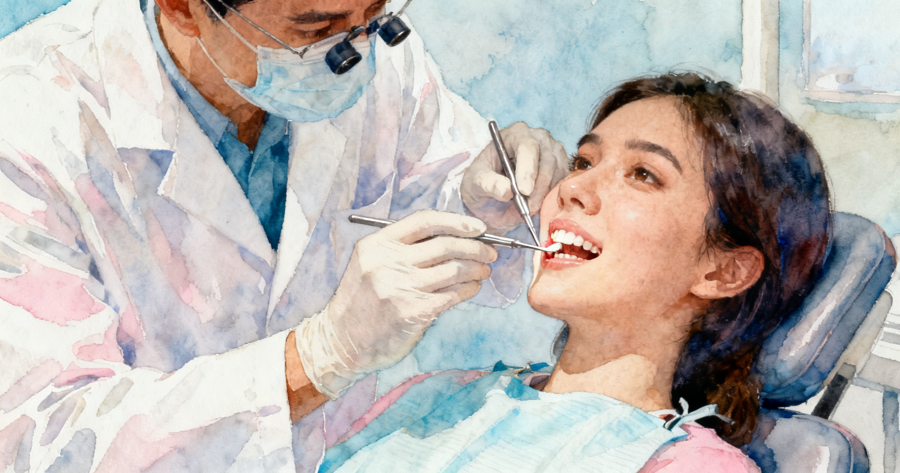
Schedule routine dental cleanings and checkups every six months, even if you don’t have any tooth pain. Professional cleanings remove hardened plaque and surface stains that you can’t get rid of with regular brushing and flossing, and your dentist can catch small issues before they become bigger problems.
Pro tip: Ask your dentist for personalized tips based on your specific teeth and diet, so you can adjust your routine to fit your needs.
Step 6: Maintain your results with consistent small habits
Once you start seeing brighter teeth, stick to your new routine to keep your smile looking its best long-term. Small, consistent daily actions will give you far better results than occasional intense treatments, and they will also keep your teeth and gums healthy for years to come.
Challenges to Be Aware Of
- Slow visible progress: You may not see dramatic changes in your tooth color for a few weeks or even months, which can feel frustrating if you’re hoping for quick results. Remember that slow, gradual brightening is far safer for your teeth than fast, harsh treatments, so be patient with the process.
- Cravings for stain-causing snacks: It can be hard to turn down soda, candy, and iced coffee when all your friends are eating and drinking them at hangouts. You don’t have to cut these things out entirely, just limit how often you have them and rinse your mouth with water afterward to reduce staining.
- Temptation to try unsafe DIY hacks: You may see viral teeth whitening hacks on social media that promise fast results for almost no cost. Many of these methods can scratch your enamel, cause permanent tooth sensitivity, or even damage your gums, so always check with your dentist before trying any new at-home treatment.
Conclusion
You now have the foundation to start building simple, safe teeth care habits that will give you a brighter, healthier smile as a teen. All these steps are easy to fit into your busy schedule, and you don’t need to spend a lot of money to see positive changes over time.
Learning how to care for your teeth properly offers both immediate confidence boosts and long-term health benefits, and by sticking to these simple habits, you’re positioning yourself for years of healthy, happy smiles. You’ll also avoid costly, painful dental issues later in life.
Don't wait for the perfect moment. Start adding one of these small habits to your routine today, like brushing for the full two minutes tonight or bringing a straw to school tomorrow. Every small step you take now will help you feel more confident about your smile for years to come.
FAQ
How long does it take to see brighter teeth from these habits?
Most people start seeing small, positive changes in their tooth color within two to four weeks of consistent brushing, flossing, and limiting stain-causing drinks. The exact timeline depends on how stained your teeth are to begin with and how strictly you stick to your routine. Be patient, and keep up with your daily habits for the best long-term results.
Do I need to buy expensive whitening products to get brighter teeth?
No, you don’t need expensive products to keep your teeth bright as a teen. Regular brushing, flossing, and limiting stain-causing foods and drinks are enough for most people to keep their teeth healthy and naturally bright. If you do want extra brightening, opt for affordable, ADA-approved whitening toothpaste instead of costly kits, and talk to your dentist first.
What's the best way to remove stains from my teeth if I drink a lot of soda or coffee?
First, try to use a straw when you drink these beverages to reduce contact with your tooth enamel, and rinse your mouth with plain water immediately after finishing. Stick to your twice-daily brushing and daily flossing routine, and get regular professional cleanings from your dentist every six months to remove built-up stains. Avoid harsh DIY treatments, as these can damage your teeth.
Can I get professional teeth whitening done as a teenager?
Many dentists recommend waiting until you are at least 14 to 16 years old, when all your permanent teeth have fully erupted and your enamel is fully developed, before getting professional whitening treatments. Always talk to your regular dentist first to see if whitening is a safe option for you based on your current oral health. Never get whitening treatments from unregulated places like malls or beauty salons without your dentist’s approval.


Most Read
How To Find An Office Cleaning Job, Understand Its Duties, And Negotiate Fair Salary
How To Clean And Sanitize Your Electronics Without Damaging Them

How Rare Is Your Real Name? The Ultimate Beginner’s Guide To Check Name Uniqueness

How To Unlock Elemental Superpower Photo Effects

How To Rapidly Launch And Secure A Career In The Aviation Sector

Only True Marvel Fans Can Pass This Quiz
Subscribe For New Quizzes


Copyright © 2019-2026 | All rights reserved.