


How To Navigate Housing Selection As A Senior: A Step-by-Step Guide

Ready to find a living space that fits your unique needs, preferences, and lifestyle as a senior? In this guide, you'll discover how to navigate the housing selection process with confidence, from assessing your requirements to finalizing your choice. By the end, you’ll feel prepared to pick a home that supports your comfort and well-being for years to come.
Why should you invest time in intentional housing selection as a senior? The right space can boost your quality of life, simplify daily tasks, and keep you connected to community or care resources. But it's important to understand that rushing this decision may lead to a mismatch with your long-term needs, so let’s break this process down clearly.
Why Housing Selection Guide Is Worth Your Time
- Tailored Comfort & Accessibility: A thoughtful housing choice can include features like grab bars, wide doorways, and single-level layouts, which reduce fall risks and make daily routines easier for you.
- Built-In Support Options: Many senior housing communities offer on-site care, meal services, or transportation, which can provide peace of mind as your needs evolve over time.
- Social Connection Opportunities: Choosing a community with group activities or shared spaces can help you build new friendships and avoid feelings of isolation in your retirement years.
- Financial Predictability: Opting for housing with fixed monthly costs or included utilities can simplify budgeting, eliminating the stress of unexpected home repair bills or utility spikes.
- Flexibility for Future Needs: Selecting a space that can adapt to changing health or mobility needs may let you stay in the same home longer, avoiding the hassle of a second move later.
Step-by-Step Guide to Housing Selection Guide
Step 1: Assess Your Current & Future Needs
Start by listing your non-negotiable features, such as single-level living or proximity to medical providers, alongside nice-to-haves like a community garden or fitness center. Think about how your needs might shift in the next 5 to 10 years, such as needing more hands-on care. This foundational step ensures you don’t overlook critical details that impact your daily life.
Pro tip: Ask a trusted family member or friend to review your list and add perspectives you might miss.
Step 2: Set a Realistic Budget
Calculate your monthly income from retirement funds, Social Security, or other sources, then subtract essential expenses like insurance and medications. Allocate a portion of your remaining funds to housing, including rent, utilities, and any additional service fees. Be sure to leave room for unexpected costs, such as emergency home repairs or extra care services.
Common mistake to avoid: Forgetting to account for hidden fees like parking, activity costs, or maintenance charges in your budget.
Step 3: Research Housing Options in Your Area
Explore different senior housing types, including independent living, assisted living, continuing care communities, or modified single-family homes. Use online directories, local senior centers, or recommendations from your healthcare provider to compile a list of potential options. Take notes on each property’s location, amenities, and available support services to compare them easily.
Step 4: Schedule Tours & In-Person Visits
Reach out to your top 3 to 5 housing options to schedule guided tours. During your visit, observe how staff interact with residents, ask about daily activity schedules, and test out common spaces like dining halls or fitness centers. Don’t be afraid to talk to current residents to get their honest feedback on living there.
Pro tip: Visit during different times of day, such as meal time or activity hours, to get a full sense of daily life in the community.
Step 5: Review Contracts & Legal Details
Once you’ve narrowed down your choices, request a copy of the lease or residency agreement and read it carefully. Look for clauses related to rent increases, care service changes, or move-out policies, and ask a lawyer or trusted advisor to review the document if you’re unsure about any terms. This step helps you avoid unexpected obligations later on.
Step 6: Finalize Your Choice & Prepare for the Move
After selecting your preferred housing, confirm your move-in date and ask about any required paperwork or deposits. Start sorting through your belongings, donating or storing items you don’t need to simplify the moving process. You may also want to schedule a professional mover who has experience with senior relocations to reduce stress on moving day.
Challenges to Be Aware Of
- Overlooking Future Mobility Needs: Many seniors focus on current comfort but fail to plan for potential mobility declines, which may require costly home modifications or a second move down the line. To mitigate this, prioritize properties with adaptable features or nearby care options.
- Budgeting for Unforeseen Costs: Even with careful planning, unexpected expenses like sudden care needs or community fee increases can strain your finances. Building a small emergency fund alongside your housing budget can help you handle these surprises.
- Feeling Overwhelmed by Options: The wide range of senior housing choices can feel paralyzing, especially if you’re not sure which type aligns with your needs. Narrowing your list to 3 to 5 options based on your top priorities can make this decision feel more manageable.
- Adjusting to a New Community: Moving to a new space or community may trigger feelings of loneliness or disorientation, especially if you’re leaving a long-time home. Participating in welcome events or joining early activities can help you settle in more quickly.
Conclusion
You now have the foundation to start navigating the senior housing selection process with clarity and confidence. Every step you’ve learned here is designed to help you find a space that fits your current needs and supports your future well-being. You’re no longer stuck guessing what to do next—you have a clear path forward.
Housing Selection Guide offers the chance to create a retirement home that truly works for you, and by following these steps, you’re positioning yourself for a more comfortable, stress-free daily life. This isn’t just about picking a place to live; it’s about investing in your long-term happiness and peace of mind.
Don’t wait for the perfect moment to start this journey. Begin by listing your top housing needs today. With each small step, you’ll move closer to a home that feels tailored just for you, and that’s a goal worth pursuing.
FAQ
How long does it typically take to complete the senior housing selection process?
The timeline can vary based on your needs and the availability of local options, but most seniors take 2 to 6 months from initial research to move-in. Rushing this process may lead to a poor fit, so allow yourself enough time to tour multiple properties and review contracts carefully. Start by setting a tentative move-in date and working backward to stay on track.
Do I need a family member to help with housing selection?
You don’t need a family member’s help, but having a trusted loved one or advisor can provide valuable perspective, especially when reviewing contracts or touring communities. They may notice details you overlook or ask questions you hadn’t considered. If you prefer to handle the process independently, senior centers or aging services can offer free guidance instead.
What's the best way to compare different senior housing options?
Create a comparison checklist with your top priorities, such as accessibility features, cost, and care services, then rate each property on a scale of 1 to 5 for each category. This visual tool can help you see which option aligns most closely with your needs. You can also ask each community for a list of references to get honest feedback from current residents.
Can I switch housing types if my needs change later on?
Yes, many seniors transition from independent living to assisted care or other housing types as their needs evolve. Some continuing care communities even offer multiple levels of care on one campus, allowing you to move within the same community instead of relocating entirely. When researching options, ask about potential transition paths to plan for future flexibility.


RECOMMEND ARTICLES

Senior Apartments With Move-In Specials: How To Find The Best Deals And Save On Retirement Living

How To Navigate Senior Housing Selection Using An Evaluation Criteria And Decision Framework

How To Apply For Affordable Housing Assistance For Senior Citizens And People With Disabilities
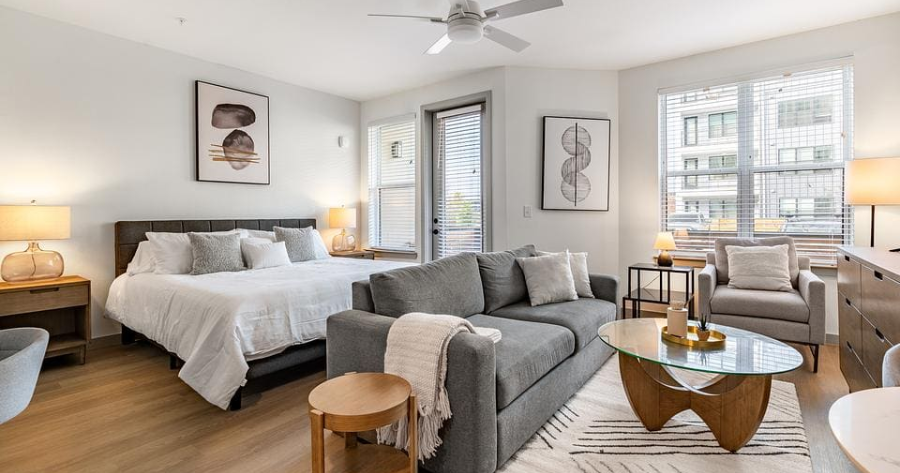
Navigating Senior Housing Options For The 55+ Community
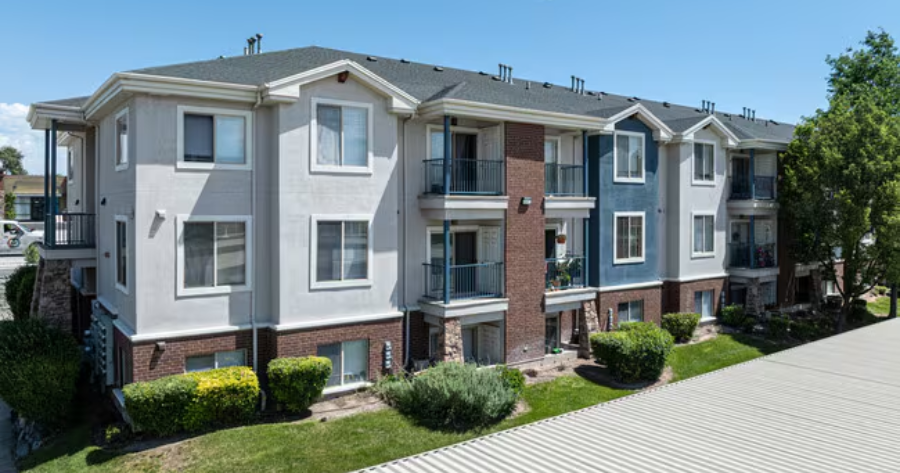
The Reality Behind $300 Low-Income Senior Units

Exploring Home Choosing Solutions For The 55+ Seniors

How To Find Affordable Housing For Seniors: A Step-by-Step Guide
Most Read

How To Find The Ideal Rental House: Mastering Neighborhood Analysis And Lease Negotiation

How To Achieve Infinite Speed In Roblox Speed Keyboard Escape Through Advanced Techniques

How To Explore The Abandoned Anomaly Zoo & Unlock Hidden Story Cosmetic Skins: A Complete Player Guide

How To Get Into A BANNED House In Brookhaven: A Step-by-Step Guide

How To Level Up Fast In Avakin Life: A Beginner To Pro Guide

Cracking The Code: What IQ Tests Really Measure
Subscribe For New Quizzes


Copyright © 2019-2026 | All rights reserved.