


How To Select And Break In Safety Footwear For Seniors To Walk With Confidence

Have you noticed how a simple change in footwear can completely transform your daily mobility? Many seniors overlook the critical role that proper shoes play in maintaining balance and preventing accidents. You deserve to navigate your home without constantly worrying about sudden slips. Finding the right safety footwear might feel overwhelming at first, but does it really have to be complicated?
Transitioning to specialized footwear requires a thoughtful approach that prioritizes both comfort and traction. You will want to examine how specific materials interact with your unique walking style and terrain. Caregivers can also benefit from understanding these essential design features before making a purchase. Are you ready to explore a reliable method for building long-term walking stability?
Why Senior Footwear Safety Is Worth Your Time
Building on that foundation, you will soon discover why investing in proper footwear truly matters. Consider these key advantages before you finalize your purchase.
- Enhanced Traction Patterns: Specialized rubber outsoles channel moisture away from your feet to maintain reliable grip on various surfaces.
- Lightweight Construction: Advanced foam midsoles significantly reduce fatigue during extended walks while preserving essential joint support.
- Secure Fastening Systems: Adjustable straps or hook-and-loop closures adapt to daily swelling to prevent awkward pressure points.
- Improved Posture Alignment: Proper arch support encourages a natural stride that minimizes unnecessary strain on your lower back.
- Confident Daily Mobility: Reliable shoe design allows you to enjoy outdoor activities without constantly monitoring your footing.
Step-by-Step Guide to Senior Footwear Safety
With these advantages clearly established, let us walk through the exact process together.
Step 1: Evaluate Outsole Geometry and Traction Patterns
Examine the bottom of potential shoes for deeply grooved, multi-directional tread designs. These patterns actively displace water and debris to maintain consistent floor contact. You should test the flexibility by gently bending the sole near the toe box. Are you noticing how wider heel bases naturally improve lateral stability?
Step 2: Prioritize Breathable and Lightweight Materials
Select uppers crafted from soft mesh or stretch-knit fabrics that adapt to your foot shape. Heavy materials often restrict natural movement and increase leg fatigue over time. Your feet will appreciate the enhanced airflow during warmer seasons or extended outings. Does this lighter approach align with your preferred level of daily activity?
Step 3: Install Secure Fastening Mechanisms Properly
Replace traditional laces with adjustable hook-and-loop straps to accommodate natural daily foot expansion. Ensure the closure wraps snugly around the midfoot without creating uncomfortable pressure points. You will notice a more stable connection between your shoe and your entire stride. How will you adjust these settings as your daily swelling patterns change?
Step 4: Execute a Controlled Indoor Break-In Routine
Wear your new safety footwear for thirty minutes each day on smooth indoor surfaces. This gradual process allows cushioning materials to soften while your muscles adapt to the new profile. You can easily monitor comfort levels without encountering unpredictable outdoor hazards. Have you considered tracking your daily wear time to optimize this adjustment period?
Step 5: Establish a Consistent Anti-Slip Maintenance Schedule
Clean the outsole grooves weekly using a soft brush and mild soap to remove trapped debris. Regular maintenance prevents hardened dirt from compromising your critical traction capabilities. You should inspect the tread depth monthly to identify signs of excessive wear. Will you set a calendar reminder to keep this simple routine on track?
Challenges to Be Aware Of
While these steps offer a clear path forward, you should also recognize potential obstacles. Keep these factors in mind to avoid common fitting frustrations.
- Initial Comfort Trade-offs: Stiffer support structures may feel restrictive during the first few weeks of consistent use.
- Sizing Variability Across Brands: Different manufacturers utilize unique measurement scales that require careful trial and comparison.
- Surface Compatibility Limitations: Highly specialized treads might perform differently on polished tiles versus textured pavement.
Conclusion
Keeping these considerations in mind will help you make informed choices moving forward. Selecting and maintaining safety footwear requires patience, but the long-term benefits truly justify your careful attention. You have now learned how to evaluate traction, choose lightweight materials, and establish a reliable care routine. Does this structured approach feel manageable for your everyday needs?
FAQ
To address any remaining questions, we have compiled the most common inquiries below. Reviewing these answers will help you finalize your footwear decisions with greater clarity.
How often should I clean the anti-slip outsoles to maintain optimal grip?
You should clean the grooves weekly to prevent dirt from filling critical traction channels. A soft brush combined with mild soap effectively removes embedded debris without damaging the rubber compound. Regular maintenance can help maintain reliable performance across various floor types. Schedule a quick cleaning routine today to preserve your daily stability.
What signs indicate that my anti-slip shoes need immediate replacement?
Look for visibly smoothed tread patterns, deep cracks in the heel cup, or sudden loss of floor adhesion. Worn soles significantly reduce traction and may increase your risk of unexpected slips during routine walks. You should also replace them if the internal cushioning feels completely compressed. Inspect your current pair this weekend and plan for a timely upgrade.
Can caregivers assist with the proper fitting process for elderly relatives?
Yes, having a second person measure both feet and compare sizing charts greatly improves accuracy. Caregivers can also observe walking mechanics to identify specific pressure points that require extra padding. You should always prioritize a late-afternoon fitting when feet naturally reach their largest size. Coordinate a joint shopping trip next week to explore the best available options.
How does daily swelling affect the secure fastening system over time?
Fluid retention typically increases throughout the day and can temporarily change how your foot sits inside the shoe. Adjustable closures accommodate these natural fluctuations while maintaining a consistently secure fit. You should loosen the straps slightly during peak swelling hours to maintain circulation. Test different tension settings during your next afternoon walk for optimal comfort.


RECOMMEND ARTICLES
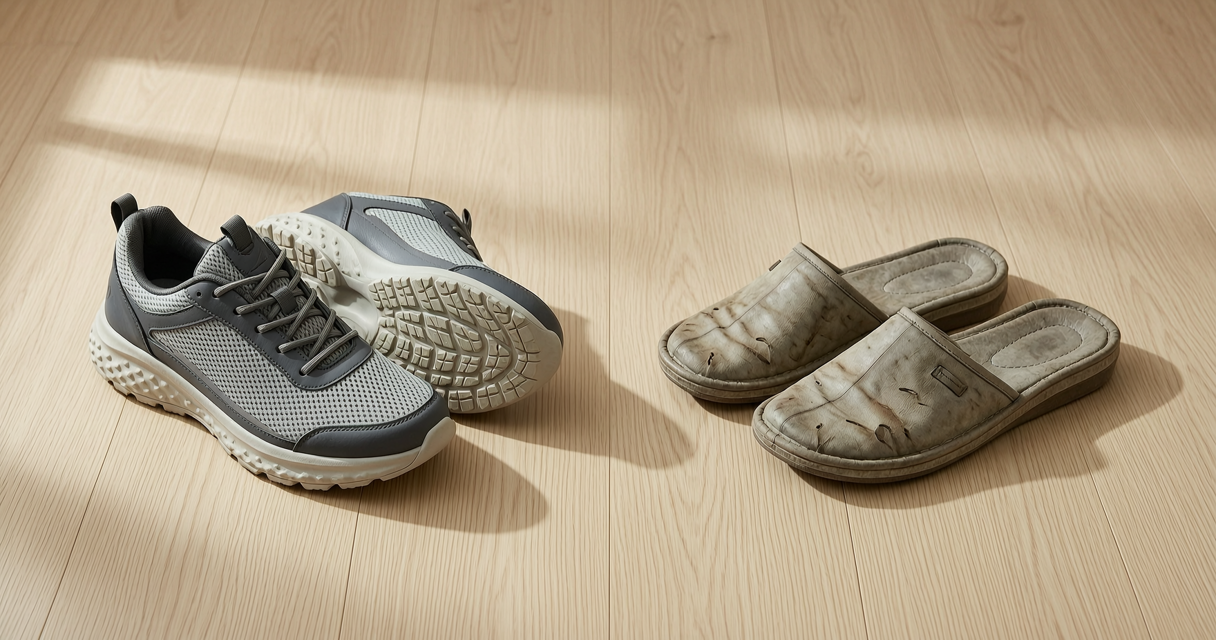
How To Choose The Right Seniors Footwear For Maximum Comfort And Fall Prevention
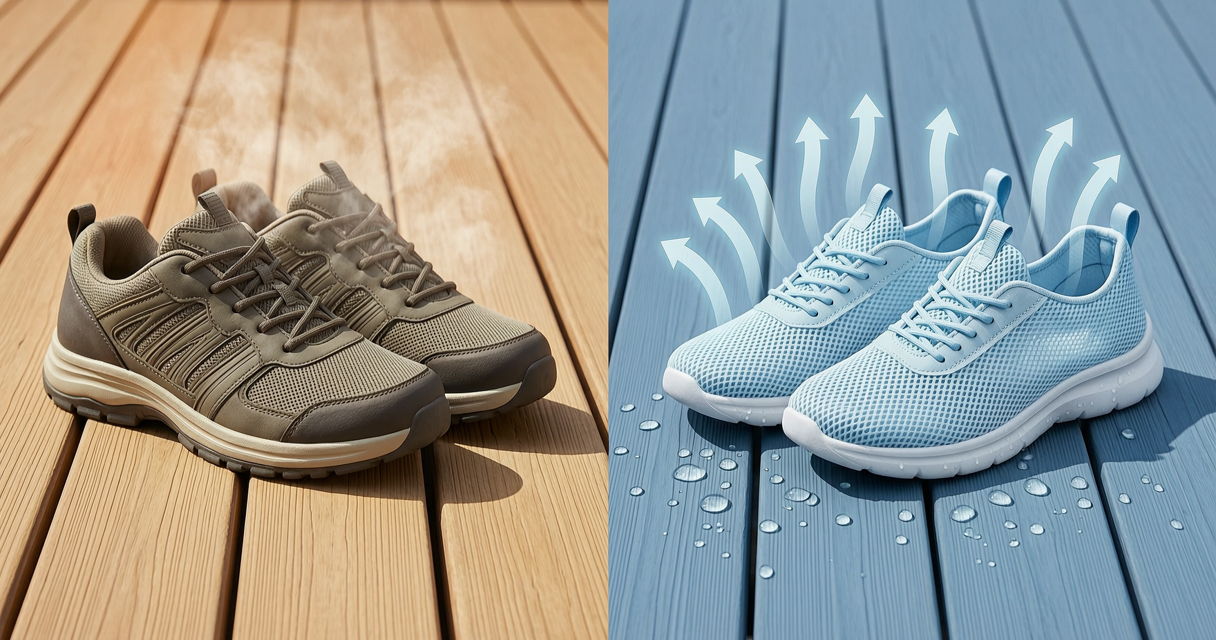
How To Keep Senior Feet Cool And Dry With Breathable Summer Footwear
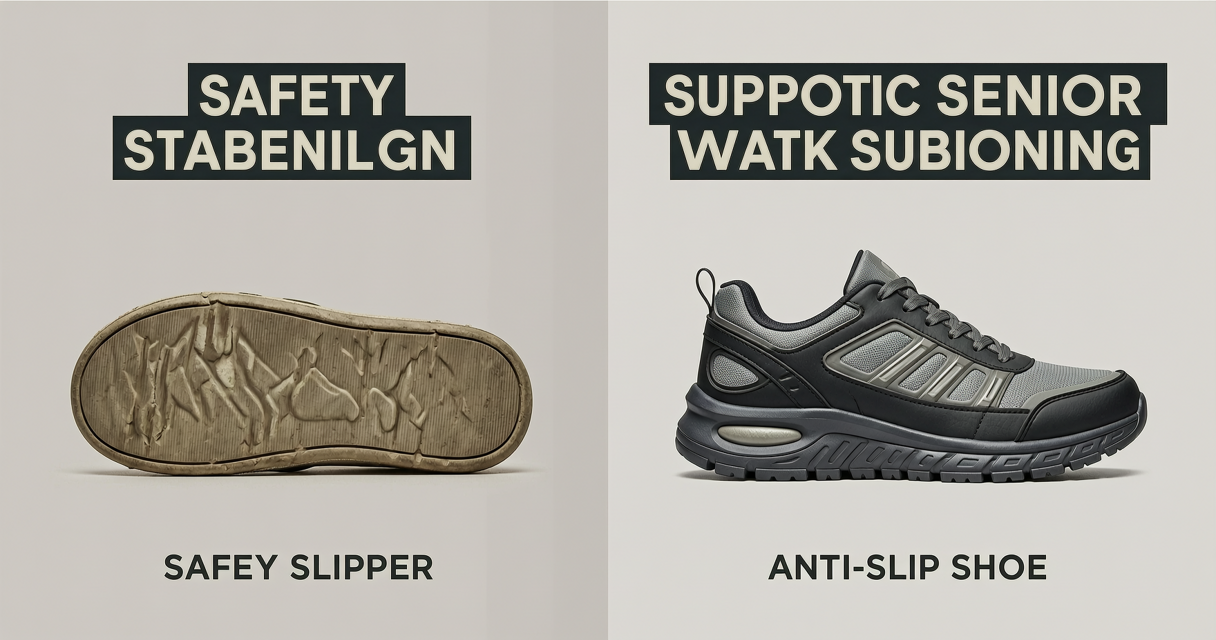
How To Choose Safe Footwear For Seniors: Fall Prevention & Arch Support Guide
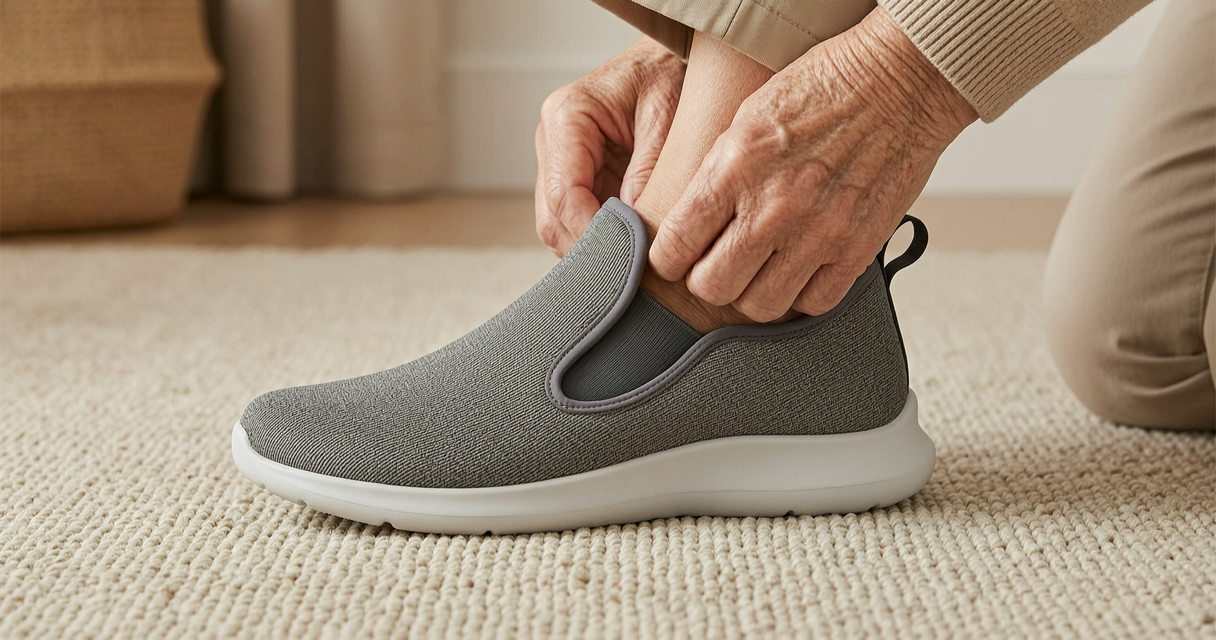
How To Pick Adaptive Slip On Shoes For Seniors With Limited Hand Dexterity
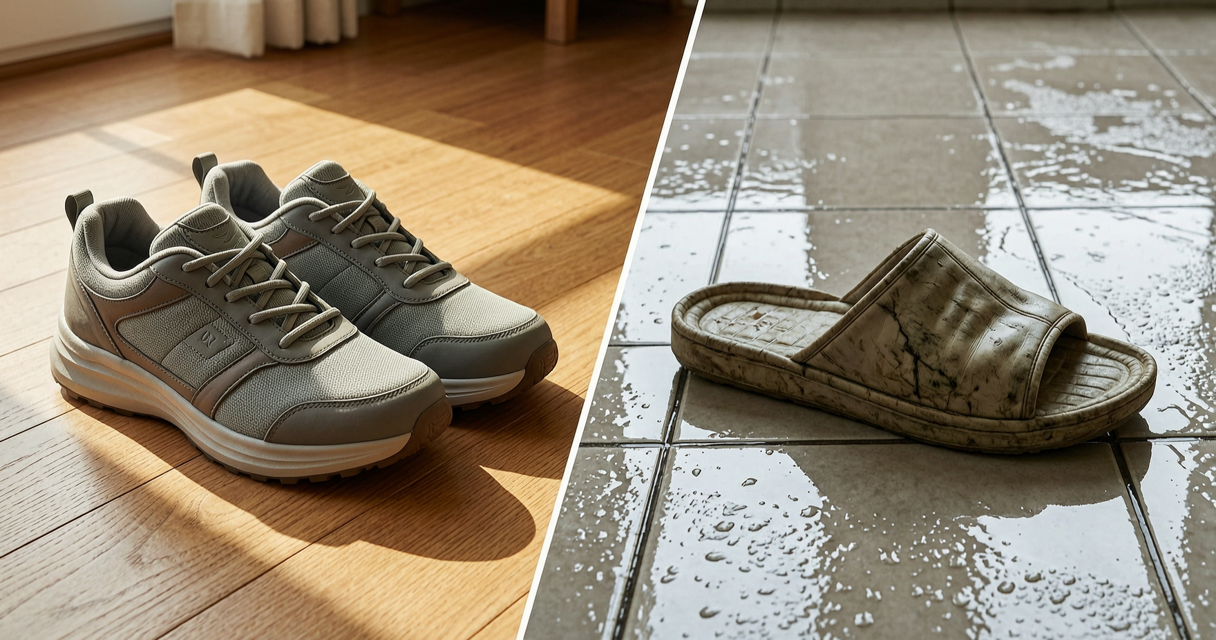
How To Choose The Best Seniors Footwear For Daily Comfort And Fall Prevention
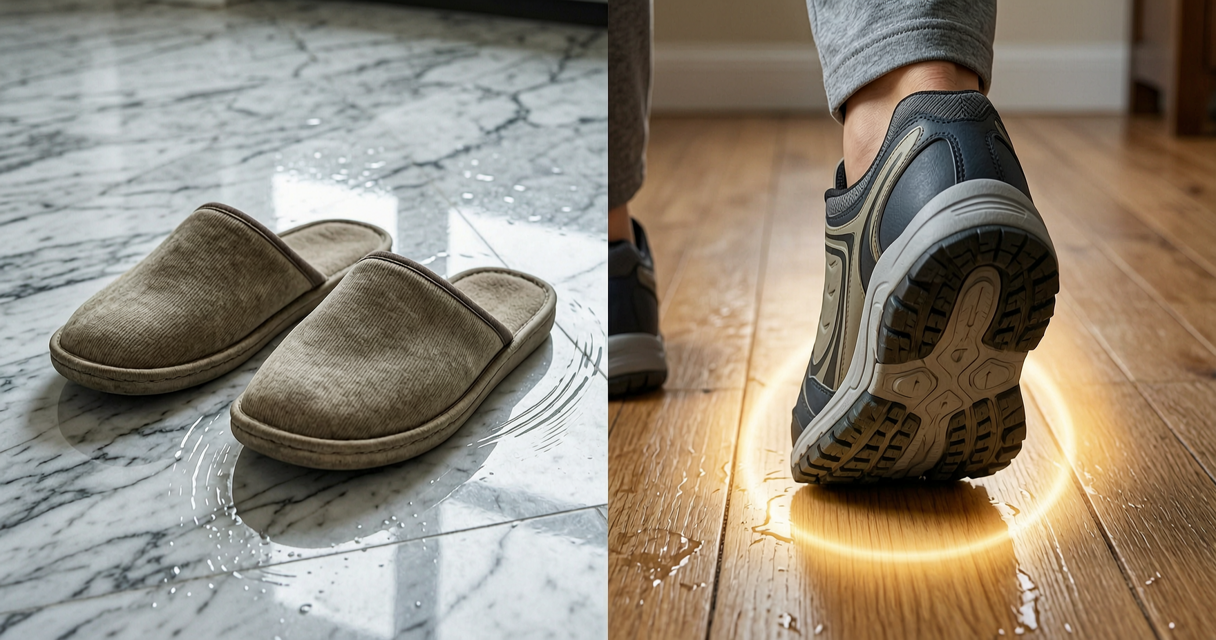
How To Choose Non Slip Footwear For Seniors To Prevent Falls
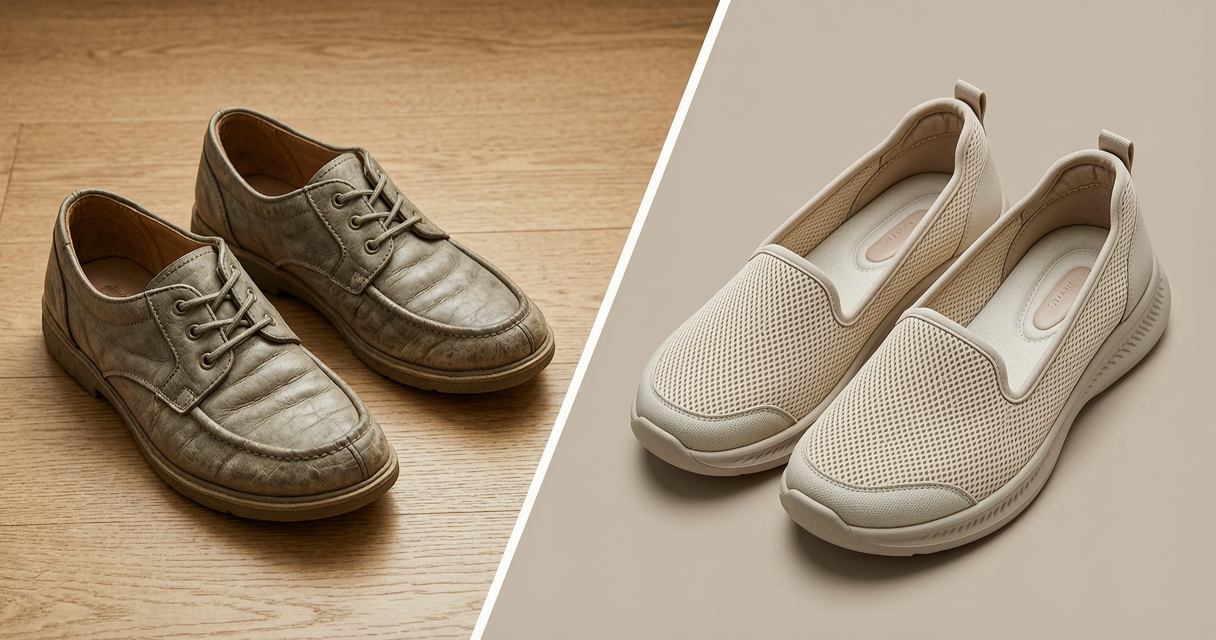
How To Select Senior Footwear While Managing Common Age-Related Foot Conditions
Most Read

How To Find And Navigate Secret Shortcuts In Roblox Speed Keyboard Escape: Master Map Exploration And Timing-Based Routes

How To Unlock Hidden Map Secrets And Master Advanced Strategies In Roblox Verity

How To Test For Bipolar Disorder: A Practical Guide

Is It Worth Getting Your Teeth Color Checked?

How To Properly Raise A Cat: A Complete Guide For Total Beginners

How To Create Personalized Mobile Phone Desktop Decorations: A Step-by-Step Guide For All Users
Subscribe For New Quizzes


Copyright © 2019-2026 | All rights reserved.