


How To Sell Handmade Items Working From Home: A Complete Step-by-Step Guide

Ready to turn your craft hobby into a flexible income stream you can run from your own space? In this guide, you'll discover the exact steps to list, market, and sell your handmade items successfully, even if you have no prior business experience. You'll learn how to reach interested buyers and build a sustainable side project on your own schedule.
Why should you care about building a home-based handmade business? This path lets you set your own hours, focus on crafts you enjoy creating, and connect with customers who value your unique work. But it's important to understand the core steps, benefits, and potential hurdles before you start to avoid common beginner mistakes.
Why Selling Handmade Items Working From Home Is Worth Your Time
- Low startup barrier: You don't need a physical storefront or expensive equipment to get started. Most crafters already have the supplies they make products with, so you can launch with very little upfront investment.
- Creative control: You get to choose exactly what items to make, how to brand them, and what price point to set for your work. This freedom means you can adjust your product line as your interests or customer preferences change.
- Access to global audiences: Online marketplaces and social media let you show your work to buyers across the world, not just people in your local area. This wider reach can help you find a loyal customer base that loves your specific style.
- Flexible schedule: You can work on your business around existing commitments like a full-time job, school, or family responsibilities. This flexibility makes it a great option for anyone looking for extra income without a rigid routine.
- Transferable business skills: Running a handmade business teaches you basic marketing, customer service, inventory management, and finance skills you can use for other ventures in the future. These skills add value even if you shift to a different type of work later on.
Step-by-Step Guide to Selling Handmade Items Working From Home
Step 1: Define your product niche and target audience
First, narrow down what types of handmade items you want to sell, focusing on products you can make consistently and that have clear customer demand. Research similar items on popular marketplaces to see what price points work and what gaps you can fill with your unique style. Common mistake to avoid: Don't try to make too many different product types at once, as this can stretch your time and lower the quality of your work.
Step 2: Set up your basic workspace and legal requirements
Designate a specific area in your home for crafting, packing, and storing inventory to keep your work organized and separate from your personal space. Check your local small business rules to see if you need a basic business license or sales tax permit for your area. Pro tip: Keep detailed records of your supply costs and sales from the start to make tax filing easier later on.
Step 3: Take high-quality photos of your products
Use natural, bright light to take clear photos of your items from multiple angles, including shots of the product in use to help buyers visualize owning it. Use a simple, uncluttered background so your item is the main focus of every photo. Common mistake to avoid: Don't use blurry or dark photos, as these will make potential buyers question the quality of your work.
Step 4: Choose sales platforms and build your listings
Pick 1-2 platforms to start selling, such as craft-focused marketplaces, social media shops, or your own simple website. Write clear, descriptive listings that include product dimensions, materials, processing time, and shipping information for each item. Pro tip: Use relevant keywords in your listing titles and descriptions to help buyers find your products when they search for items like yours.
Step 5: Set up fair pricing and shipping processes
Calculate your prices by adding up your supply costs, the time you spend making each item, platform fees, and a small profit margin to ensure your work is properly compensated. Choose reliable shipping carriers, and pre-package common order sizes to speed up your fulfillment process when you make a sale. Common mistake to avoid: Don't underprice your items to compete with mass-produced goods, as this will make it hard to sustain your business long term.
Step 6: Market your products and engage with customers
Share your work on social media platforms where your target audience spends time, and consider posting behind-the-scenes content to show your creative process. Respond to customer questions quickly, and include a small thank-you note with each order to encourage repeat purchases and positive reviews. Pro tip: You can run small, low-cost social media promotions to reach new customers when you first launch.
Challenges to Be Aware Of
- Initial time investment: It may take several weeks or even months to get your first consistent sales, so you will need to be patient as you build your audience and refine your listings. You can mitigate this by starting small and focusing on learning from every customer interaction to improve your approach over time.
- Inconsistent income flow: Sales may fluctuate depending on the season, holidays, or shifts in customer demand, so you may not have the same amount of income every month. You can prepare for this by setting aside a portion of your profits during busy periods to cover slower months.
- Balancing production and business tasks: You will need to split your time between making products, answering customer messages, updating listings, and handling shipping, which can feel overwhelming at first. You can manage this by setting a clear weekly schedule for different tasks so you don't fall behind on any part of your business.
Conclusion
You now have the foundation to start selling handmade items from your home, even if you have never run a small business before. Every successful handmade seller starts with a single product and a willingness to learn, so you are already ahead by taking the time to understand the process.
Selling handmade items from home offers the chance to earn extra income while doing work you enjoy, and by mastering these steps, you are positioning yourself for a flexible, sustainable side project that fits your lifestyle. You can adjust every part of the process to match your goals, whether you want to earn a small extra income or build a full-time business.
Don't wait for the perfect moment. Start planning your first product listing today. You can tweak your approach as you go, and every small step you take will bring you closer to building the home-based craft business you want.
FAQ
How long does it take to start making consistent sales selling handmade items from home?
Most new sellers see their first sale within 1 to 3 months of launching their listings, and consistent sales typically come after 3 to 6 months of regular updates and marketing. This timeline can vary depending on your product type, how well you optimize your listings, and how active you are on your chosen sales platforms. Stay consistent with posting new products and engaging with potential customers, and you will see progress over time.
Do I need a lot of money or special equipment to start selling handmade items from home?
You don't need a large budget to get started, as most crafters already have the basic tools and supplies needed to make their products. You may need to spend a small amount on packaging materials, platform fees, or a low-cost phone tripod for product photos. Start with the supplies you already have, and reinvest a portion of your first sales into extra tools or supplies as you grow.
What's the best way to price my handmade items to attract buyers while still making a profit?
Start by adding up the cost of supplies for each item, the hourly rate you want to pay yourself for making it, and any platform or shipping fees, then add a 20% to 30% profit margin on top. Research similar items on your chosen sales platform to make sure your prices are in line with what customers are already paying for comparable products. Don't be afraid to adjust your prices slightly as you learn more about your costs and what customers are willing to pay.
Can I turn my home-based handmade business into a full-time income source?
Many sellers successfully grow their handmade businesses to full-time income levels over time, but this usually takes 1 to 3 years of consistent work and gradual expansion. You can increase your income over time by adding new product lines, expanding to more sales platforms, and building a loyal customer base that makes repeat purchases. Start small while you keep other income sources, and transition to full time once your sales are consistent enough to support your needs.


RECOMMEND ARTICLES

How To Find Remote Side Jobs That Earn Up To $1,390 A Month From Home
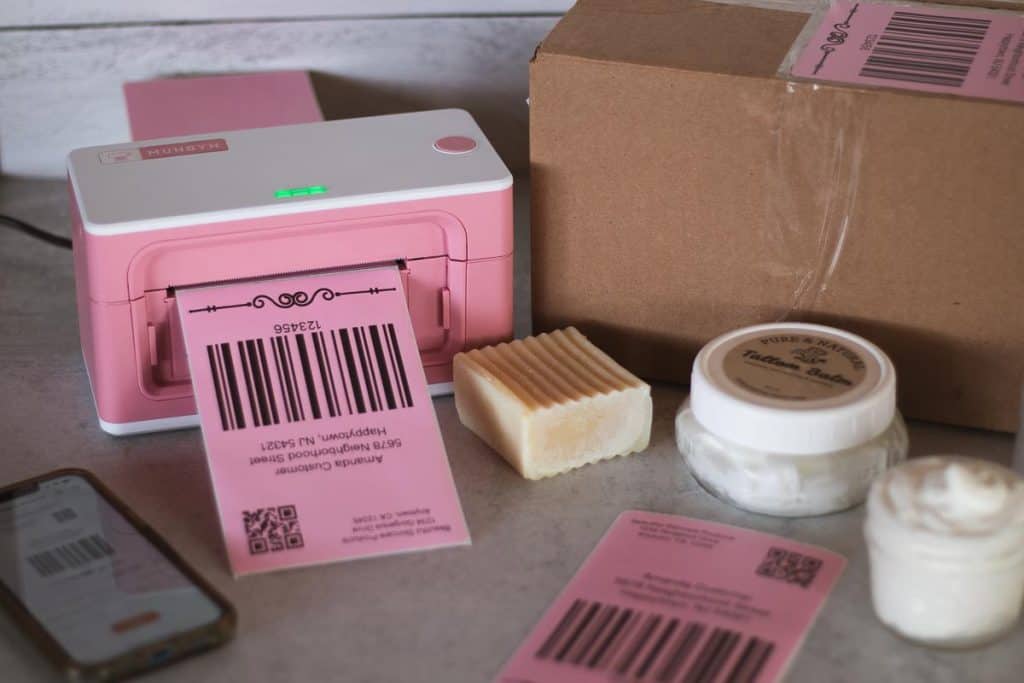
How To Earn Extra Income By Packaging And Labeling Various E-commerce Products At Home

How To Launch Your Own Manual Packaging Business With Minimal Setup
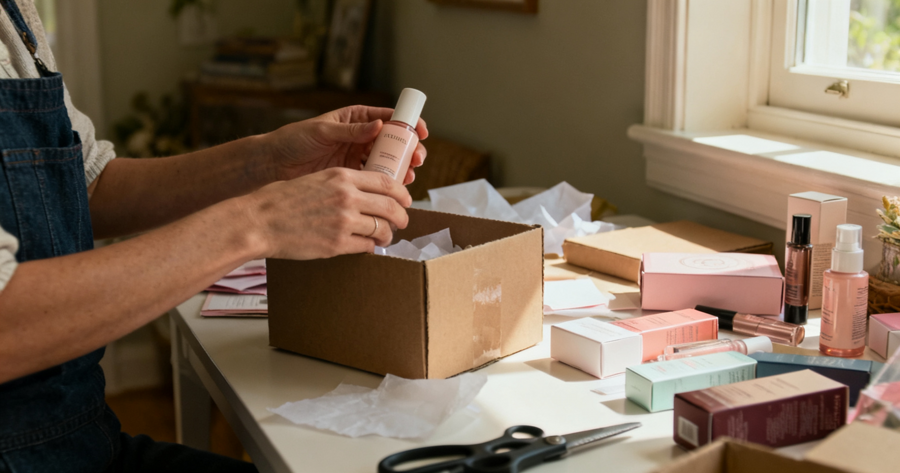
How To Earn Extra Income Packaging Beauty Products From Home: A Guide Part-timers

How To Start A Flexible Home-Based Packaging And Labeling Side Hustle: Complete Beginner Guide
Most Read

💖How To Use Secret Crush Finder Apps To Playfully Reveal Hidden Admirers

How To Find And Watch Super Cute Gugu Gaga Penguin Moments

How To Play And Win In Viral Impossible Filter Challenges

How To Improve Your Posture While Working At A Desk

Is A 7-Day Summer Trip To Fiji Worth Your Time And Budget In 2024?

How To Play And Improve At Arrows – Puzzle Escape: Test And Boost Your Memory Skills
Subscribe For New Quizzes


Copyright © 2019-2026 | All rights reserved.