


Investing €80 To €180 In Mobility: The European Guide To Senior Safety Footwear And Fall Prevention

When I accompanied my aunt to select new walking shoes in Edinburgh last autumn, I quickly realised how much more there was to consider than just size and aesthetic appeal. Her anxiety about slipping on damp cobblestones and wet leaves near her independent living community highlighted a critical reality: proper footwear is not merely a matter of comfort—it is a fundamental safeguard for independence and mobility among older adults.
Why Footwear Matters for Senior Mobility in Europe
Falls remain one of the primary causes of serious injury among older adults across Europe. According to recent reporting from the World Health Organization (WHO) Regional Office for Europe and EuroSafe, over 8 million older Europeans suffer fall-related injuries requiring emergency medical care each year, resulting in healthcare costs exceeding €28 billion annually across the continent. A significant percentage of these domestic and outdoor incidents are directly linked to inappropriate, worn, or ill-fitting shoes.
Dr. Hannah Müller, a Munich-based podiatrist specialising in geriatric care, emphasizes the preventive value of proper shoes: "Many of my patients regularly wear soft slippers or worn-down walking shoes around the house and on slick pavements because they feel familiar. They don't realise that a lack of lateral support and hardened rubber outsoles significantly increase their fall risk. Correct footwear is proactive healthcare."
Technical Features of True Non-Slip Footwear
Navigating wet European pavements, historic cobblestones, and smooth indoor tiles requires footwear specifically engineered for high traction and stability.
-
Advanced Rubber Outsole Compounds: High-friction, soft-density rubber compounds remain pliable in cold weather, offering far better grip on wet asphalt and stone than hard plastic or degraded synthetic soles.
-
Multi-Directional Tread Channels: Deep grooves and siped tread patterns channel water and slush away from the contact points under the foot, preventing hydroplaning on slick surfaces.
-
Flared and Bevelled Heel Design: A wide, slightly rounded heel contact area helps stabilize the initial strike phase of a stride, reducing heel-slip occurrences.
-
Adaptive Closure Systems: High-grade Velcro straps, elastic speed-lacing, or side-zipper combinations accommodate reduced hand dexterity caused by arthritis while ensuring a secure fit that won't loosen during a walk.
Several prominent European brands—such as ECCO, Clarks, Rieker, Waldläufer, and Finn Comfort—integrate specialized slip-resistant outsoles and wide-fitting lasts specifically tailored for mature foot structures.
European Pricing Breakdown for Senior Footwear
Quality footwear designed for senior stability varies depending on features, materials, and orthopaedic customization. The table below outlines current price ranges observed across European retailers, specialty shoe shops, and medical supply stores (Sanitätshäuser).
| Footwear Category | Average European Price Range | Primary Features & Construction | Ideal Application |
| Basic Supportive Walkers | €80 – €120 (£70 – £105) | Lightweight midsoles, cushioned footbeds, breathable uppers. | Daily errands and low-impact indoor/outdoor walking. |
| Specialised Non-Slip / Weatherproof | €120 – €180 (£105 – £155) | Siped rubber outsoles, water-resistant membranes (Gore-Tex), firm heel counters. | All-weather walking on damp pavements, park paths, and cobblestones. |
| Therapeutic / Orthopaedic Footwear | €160 – €280 (£140 – €245) | Extra-depth footbeds, seamless linings for sensitive skin, wide width options (E–EEE). | Seniors with diabetes, severe bunions, or custom orthotic requirements. |
| Custom Orthotic Insoles | €60 – €200 (£50 – £175) | Tailored arch support and heel cup stabilization prescribed by podiatrists. | Transferable support across multiple pairs of wide-fitting shoes. |
Real Experience: Margaret's Story
Margaret, a 73-year-old retired librarian living in Bristol, UK, shared her journey toward upgrading her footwear after experiencing two unsettling slips on damp garden paving slabs.
-
The Problem: Margaret suffered from mild neuropathy in her feet and bunions that made standard retail shoes feel uncomfortable, leading her to wear loose slip-ons with smooth soles.
-
The Assessment: Following a consultation with a chartered physiotherapist, Margaret was advised to seek shoes featuring a wide toe box, a rigid heel counter to support her ankle, and a certified slip-resistant rubber outsole.
-
The Solution: She invested €145 (£125) in a pair of weather-resistant, wide-fitting walking shoes from a local specialty footwear retailer.
-
The Outcome: Over the past eight months, Margaret has walked daily without a single slip. "The initial €145 felt like a significant outlay," Margaret noted. "However, when I considered the potential disruption of a hospital stay or lost independence, it was the best investment in my health I've made all year."
Key Features to Prioritise When Shopping
When evaluating shoes for older adults, consider these essential criteria:
-
Footwear Depth and Width Options: Feet spread and change shape with age. Look for European brands offering wide fittings (such as UK wide 'E/EE' or European 'H/K' width designations) to prevent pressure spots.
-
Removable Insoles: Ensure the shoe features a removable footbed to easily accommodate custom orthotics or prescribed arch supports.
-
Firm Heel Counter: Press the back of the heel; it should remain stiff and resist collapsing inward to provide proper ankle alignment.
-
Pliable Forefoot Flex: The shoe should flex at the ball of the foot where toes naturally bend, rather than through the middle of the arch.
European Healthcare Subsidies and Financial Support
Navigating healthcare coverage for therapeutic or safety footwear depends on your country of residence:
-
United Kingdom (NHS): The National Health Service provides podiatry assessments and can prescribe orthopaedic or therapeutic footwear through local NHS trust orthotic departments for individuals meeting specific clinical criteria (e.g., severe diabetic foot complications or structural deformities).
-
Germany (Krankenkassen & Sanitätshäuser): Statutory health insurance (Gaseztliche Krankenversicherung) often covers a significant portion of doctor-prescribed orthopaedic shoe modifications or custom footwear (Orthopädische Maßschuhe) when purchased through certified medical supply shops (Sanitätshaus).
-
France (Sécurité Sociale): State health insurance and supplementary funds (Mutuelles) provide partial reimbursement for prescribed orthopaedic shoes (chaussures orthopédiques) and custom inserts.
-
Nordic & Benelux Nations: Municipal adult social care programs frequently offer assistive device grants or subsidies for fall-prevention equipment recommended by occupational therapists.
Frequently Asked Questions
Q: How often should older adults replace their daily walking shoes?
Most podiatrists recommend replacing walking shoes every 500 to 800 kilometres (approximately 300 to 500 miles). For an older adult walking daily, this equates to replacing shoes every 8 to 12 months, as outer rubber compounds harden and internal foam cushioning degrades over time.
Q: Are there specific European brands recommended for wide or swollen feet?
Brands such as Cosyfeet (UK), Waldläufer (Germany), Rieker (Switzerland/Germany), and DB Bigger Feet specialize in extra-wide fittings, deep insteps, and soft, stretchable uppers designed specifically for sensitive or swollen feet.
Q: Can non-slip sprays or add-on grips make regular shoes safe?
Spray-on coatings offer very little durable grip on worn soles. While clip-on ice grips are useful on snow, they create severe slipping hazards on smooth indoor tiles and pavement. Purchasing purpose-built non-slip footwear is significantly safer.
Q: What should I check when ordering senior footwear online in Europe?
Ensure the retailer offers explicit width measurements, a clear free-return policy for home fitting, and detailed sizing charts that cross-reference UK, EU, and US sizing.
References and Data Sources
-
World Health Organization (WHO) Regional Office for Europe. (2025). Fall Prevention in Older Age: European Public Health Policy Framework.
-
EuroSafe (European Association for Injury Prevention and Safety Promotion). (2025). Senior Safety & Home Fall Statistics in the EU.
-
National Health Service (NHS England). (2025). Clinical Guidelines on Podiatry and Orthotic Interventions for Older Adults.
-
Journal of European Geriatric Medicine. (2025). "Outsole Friction Dynamics and Fall Risk Reduction on Urban Pavements."
Disclaimer
Footwear needs vary significantly based on individual medical conditions, foot morphology, and gait stability. All prices mentioned are approximate and subject to regional retailer variations across Europe. This content is for educational and informational purposes only and does not constitute professional medical advice, diagnosis, or treatment. Readers should consult a podiatrist, chartered physiotherapist, or medical professional for personalized footwear recommendations.
Author Bio
Anabel Walsh is a certified geriatric care manager and senior mobility specialist with over a decade of experience advising older adults and their families across Europe and North America. She holds specialized certifications in fall prevention, home hazard assessment, and adaptive equipment. Her work focuses on empowering seniors to maintain independence through practical, evidence-based mobility solutions.


RECOMMEND ARTICLES
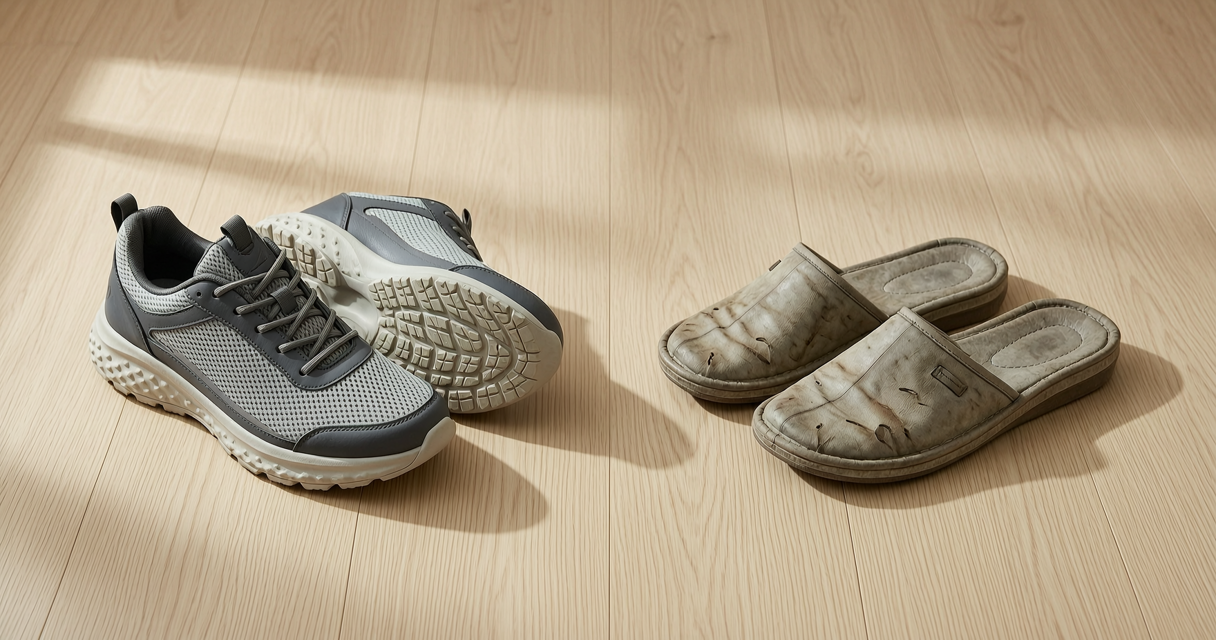
How To Choose The Right Seniors Footwear For Maximum Comfort And Fall Prevention
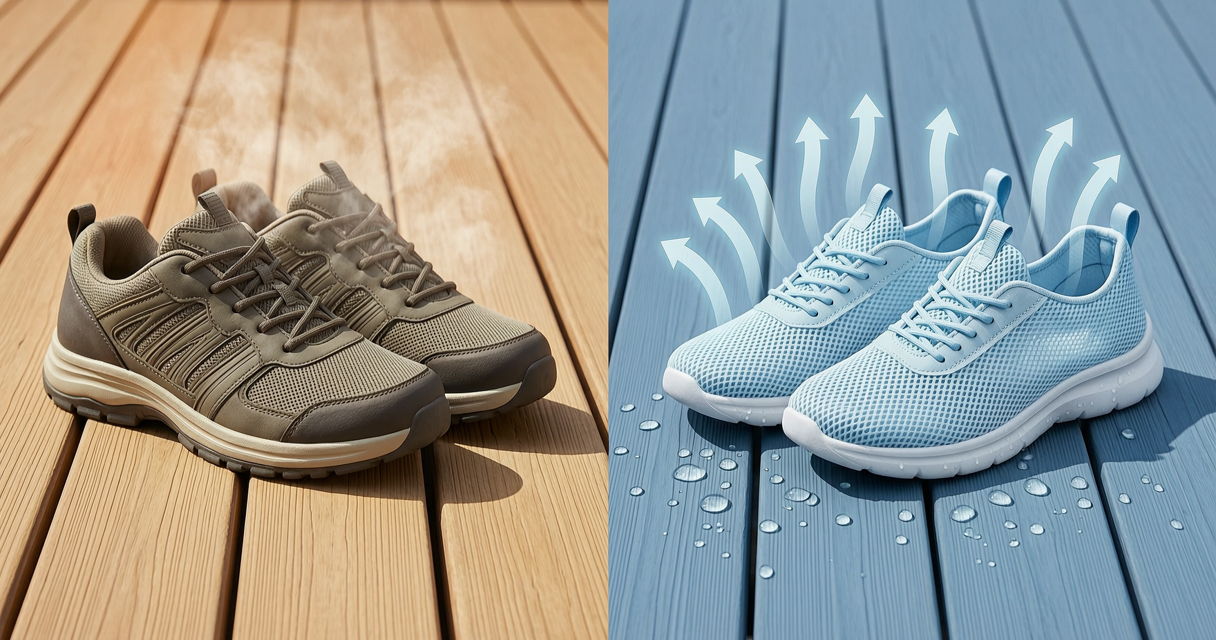
How To Keep Senior Feet Cool And Dry With Breathable Summer Footwear
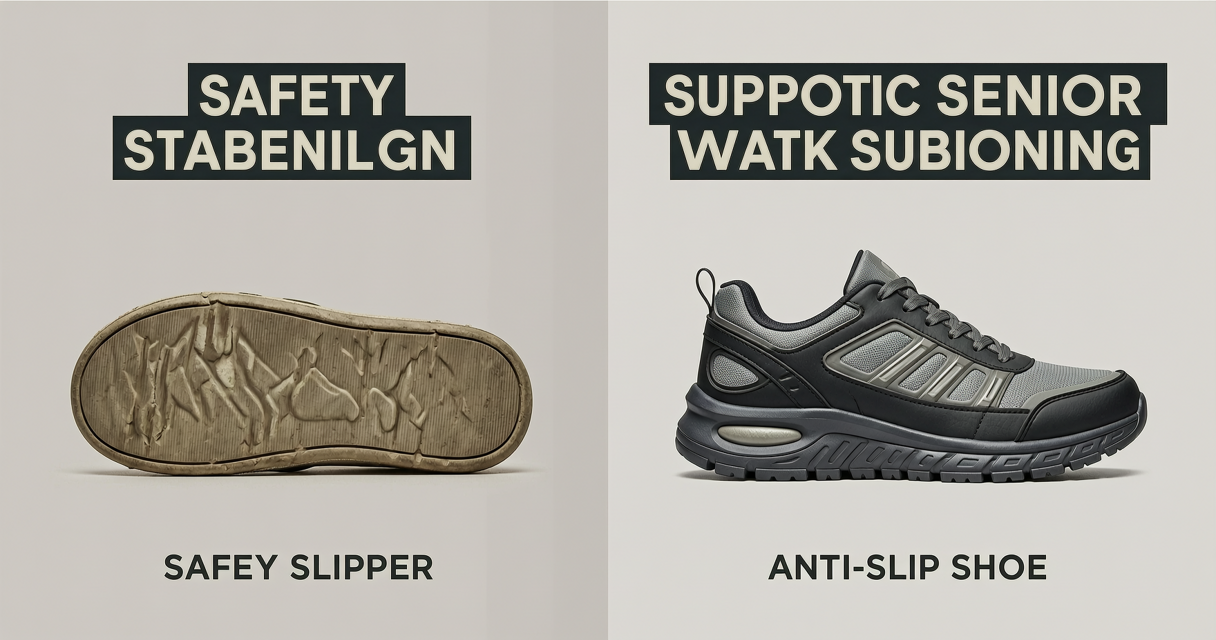
How To Choose Safe Footwear For Seniors: Fall Prevention & Arch Support Guide
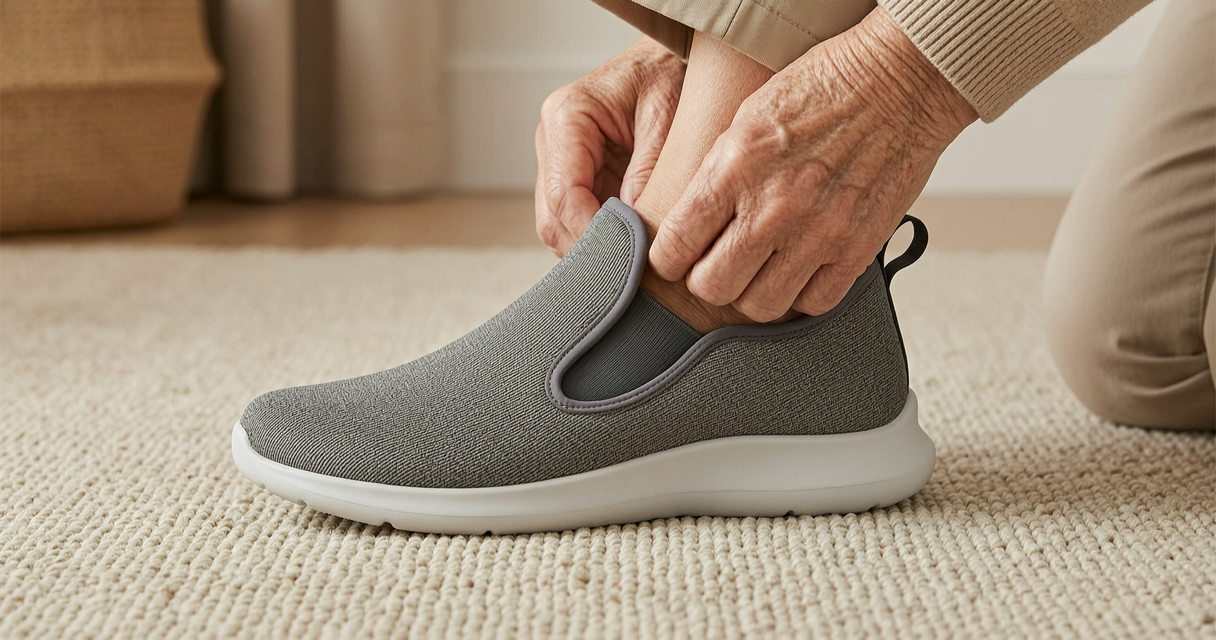
How To Pick Adaptive Slip On Shoes For Seniors With Limited Hand Dexterity
How To Select Orthopedic Walking Shoes For Seniors Managing Chronic Joint Pain
How To Choose Non Slip Footwear For Seniors To Prevent Falls
How To Select Senior Footwear While Managing Common Age-Related Foot Conditions
How To Select And Break In Safety Footwear For Seniors To Walk With Confidence
Most Read

Vanlife On A Budget: How To Find The Best Used Campervan Deals In The US

How To Find And Verify New Karinderya Roblox Codes Safely

How To Get The Best Face Rating Results From Your Photos

How To Use Loopit App For Task Automation And Scheduling In Your Daily Workflow

How To Achieve Infinite Speed In Roblox Speed Keyboard Escape Through Advanced Techniques

How To Get All Kinds Of Free Items In Roblox Brookhaven Legally
Subscribe For New Quizzes


Copyright © 2019-2026 | All rights reserved.