


Mastering The U.S. Rental Market — From Cozy Studios To Multi-Bedroom Family Homes

Apartment Size: Matching Space to Your Life Stage
Studios – I remember my first year in Chicago, living in a 400-square-foot studio. It was a masterclass in minimalism. Studios are the ultimate choice for those looking to maximize their budget while staying in high-demand urban centers. Typically combining the sleeping and living areas into one open space, they usually range from 300 to 550 square feet. If you are a young professional who spends most of your time at the office or exploring the city, the "cozy" layout is a fair trade-off for a prime location.
One-Bedrooms – The transition from a studio to a one-bedroom often marks a shift in lifestyle. When I started working from home, having a door between my "office/living room" and my bedroom became a necessity for my mental health. Most one-bedroom apartments in the U.S. average between 600 and 900 square feet. This layout offers the privacy that singles or couples crave, providing a distinct separation between social spaces and private quarters.
Two-Bedrooms and Larger – Flexibility is the name of the game here. Whether you’re moving in with roommates to split the rising costs of city living, or you’re a growing family needing a nursery, two-bedroom units start around 900 square feet and can easily exceed 1,300 in suburban complexes. I’ve found that these units often offer the best "value per square foot," though you must be prepared for higher utility bills to heat and cool the extra rooms.
Location: Why Your Zip Code Defines Your Experience
For me, choosing a location has never been just about the address; it’s about the "ecosystem" you’re joining. I’ve lived in neighborhoods that looked great on paper but were a nightmare in practice. I now prioritize:
- Commute and Transit – I don't just check the distance; I check the "stress factor." I use apps to simulate the drive time during Tuesday morning rush hour or check the frequency of the nearest subway line after 8:00 PM.
- The "Walk Score" – Can I grab a coffee or a bag of milk without getting in my car? For many, a walkable lifestyle justifies a slightly smaller apartment.
- Safety and Community Services – I always spend time looking at local police precinct maps and reading neighborhood forums. If you have children, the quality of the school district is often the single most important factor, even if you’re renting.
Amenities: Separating "Must-Haves" from "Shiny Distractions"
I’ve learned the hard way that a "luxury rooftop pool" is only great if you actually use it. Meanwhile, an in-unit washer and dryer is a game-changer. In many U.S. markets, having laundry in your unit can add $100–$200 to your monthly rent, but when you factor in the time and cost of a laundromat, it’s often a bargain. Other critical amenities to weigh include secure parking (essential in cities like Denver or Seattle), fitness centers, and whether the building is "pet-friendly" or "pet-tolerant" (the fees can differ wildly).
How I Search for Apartments: A Multi-Pronged Strategy
Finding the perfect rental in a competitive market requires more than just scrolling through a single app. Here is the system I’ve perfected over five moves:
- The Big Three Platforms – I use Zillow, Apartments.com, and HotPads. The trick is to set up "Instant Alerts." In cities like Austin or Charlotte, the best apartments are often off the market within 24 hours. If you don't call the landlord immediately, you're already too late.
- The "Broker" Advantage – In high-density markets like New York City, Jersey City, or Boston, paying a broker fee can actually save you money in the long run. Brokers often have access to "pocket listings" that never hit the public sites. Just be sure to clarify who pays the fee—you or the landlord.
- Hyper-Local Social Media – I’ve found hidden gems on Facebook Marketplace and in private "Neighborhood Community" groups. These are often individual owners rather than large management companies, which can lead to a more personal (and sometimes more affordable) rental experience.
- The "Feet on the Ground" Approach – Nothing beats walking the neighborhood. I’ve found some of my best apartments by spotting "For Rent" signs in windows that weren't even listed online yet.
The U.S. Application Process: Preparing Your "Renter Resume"
The moment you find a place you love, you need to be ready to apply. Landlords in the U.S. are looking for stability. Here is what I always have digital copies of on my phone:
- Proof of Income – Most landlords require your gross monthly income to be at least 3x the monthly rent. I keep my last three pay stubs and my most recent W-2 or tax return ready.
- Credit Health – A score above 700 is typically the "green light" for most buildings. If your score is lower, I’ve found that offering a larger security deposit or having a co-signer (guarantor) ready can bridge the gap.
- Reference List – Have the names, emails, and phone numbers of your last two landlords ready. A quick, positive word from a previous landlord often beats a higher credit score in a tie-breaker.
Comparison of Common Rental Costs by Unit Type (2025 Estimates)
| Unit Type | Avg. Square Feet | Avg. Monthly Rent (Natl.) | Target Demographic |
|---|---|---|---|
| Studio | 350 - 500 | $1,200 - $1,800 | Singles, Students |
| 1-Bedroom | 650 - 850 | $1,600 - $2,400 | Couples, Professionals |
| 2-Bedroom | 950 - 1,200 | $2,100 - $3,500+ | Roommates, Small Families |
Budgeting Beyond Rent: The "Hidden" Monthly Drain
My rental budget never stops at the "sticker price." I always factor in these three variables:
Utility Responsibilities – Does the rent include water, trash, or heat? In older buildings in the Northeast, heat can be a massive expense if not included. In the South, electricity for AC will be your biggest variable.
Renter’s Insurance – Most modern leases require it. It usually costs $15–$30 a month, but it protects your belongings in case of fire or theft. I consider it non-negotiable.
Move-in Fees – Beyond the security deposit, many buildings now charge "amenity fees," "move-in fees," or "application fees" ($50-$100 per person). Always ask for a "Total Cost to Move In" sheet before signing.
Frequently Asked Questions (Q&A)
What is the difference between a "Security Deposit" and "First/Last Month's Rent"?
A security deposit is money held by the landlord to cover potential damages to the property; it is refundable if you leave the apartment in good condition. First and Last month's rent are advance payments for your stay. Note that some states have strict laws on how much a landlord can legally charge for a deposit.
Can I negotiate my rent in the U.S.?
It depends on the market. In a "Landlord's Market" (high demand, low supply), negotiation is difficult. However, you can often negotiate for "concessions," such as one month of free rent on a 13-month lease, or a waived pet fee, especially in larger managed buildings during the winter months when moving activity is low.
Disclaimer: This guide is for informational purposes and based on general U.S. market trends as of 2025. Rental laws vary significantly by state and municipality (e.g., rent control in California vs. Texas). Always read your lease agreement in its entirety and consult with a local tenant rights organization or legal professional if you have specific concerns.


RECOMMEND ARTICLES

How To Find The Ideal Rental House: Mastering Neighborhood Analysis And Lease Negotiation
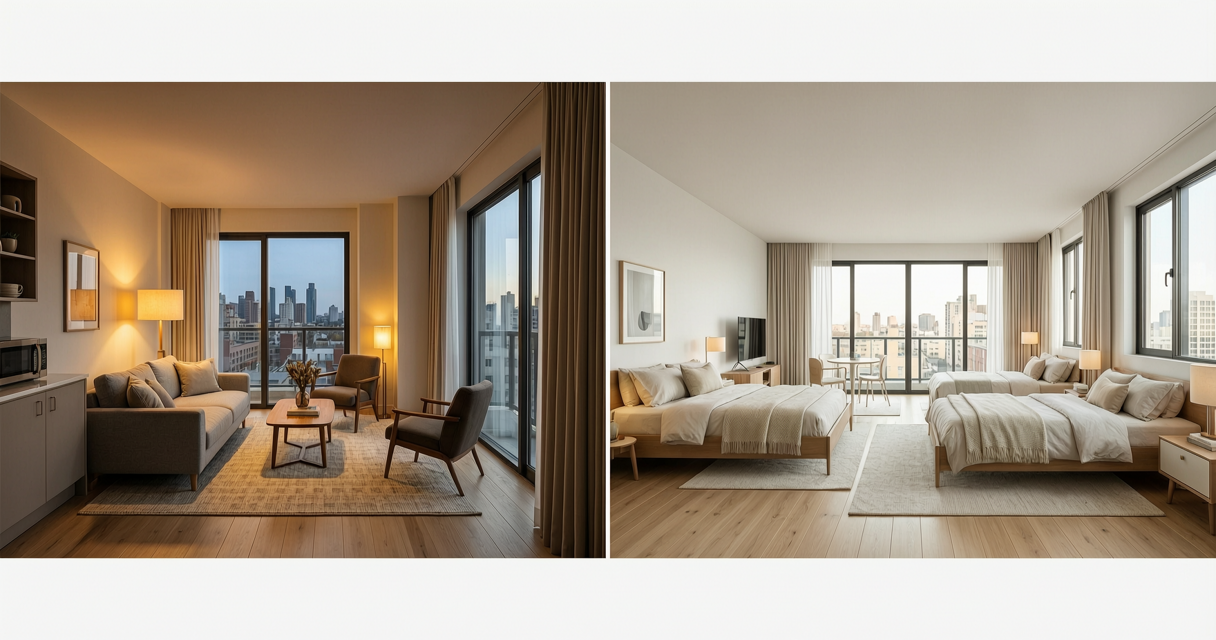
How To Navigate U.S. Apartment Rentals From Studios To Spacious Two-Bedrooms
How To Find An Apartment Under $1,000: A Practical Guide For Tenants

How To Find A Well-Decorated Apartment In The U.S. For Tenants
Explore No-Deposit Rental Options For Tenants In 2026
Most Read

How To Find And Execute Hidden Shortcuts In Roblox Speed Keyboard Escape: Mastering Safe Pathfinding And Checkpoint Optimization

2026 Comprehensive Guide To Finding A Professional Hearing Test Near Me
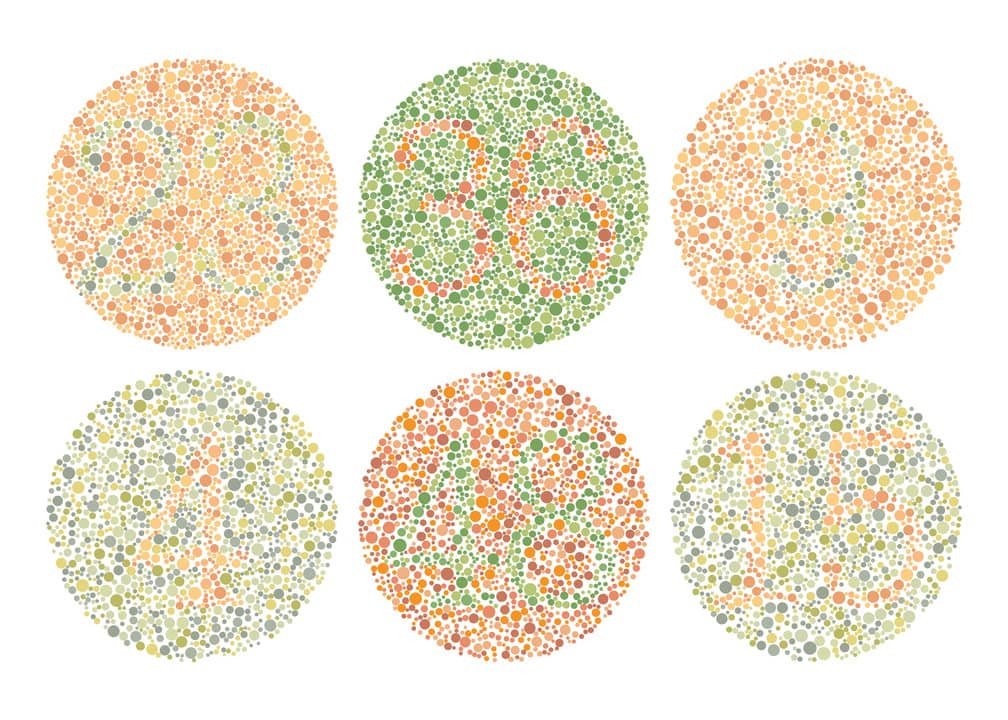
How To Complete An Eye Test For Seniors: A Simple, Stress-Free Guide

How To Get New Emotes In Roblox: A Step-by-Step Guide

Customize Your Roblox Look: Pro - Level Avatar Customization Secrets

Your Eye Is Talking: The Hidden Meaning Of Left Eye Twitching!
Subscribe For New Quizzes


Copyright © 2019-2026 | All rights reserved.