


Refurbished Commercial-Grade Mowers: Features, Inspection Steps, And Buying Considerations

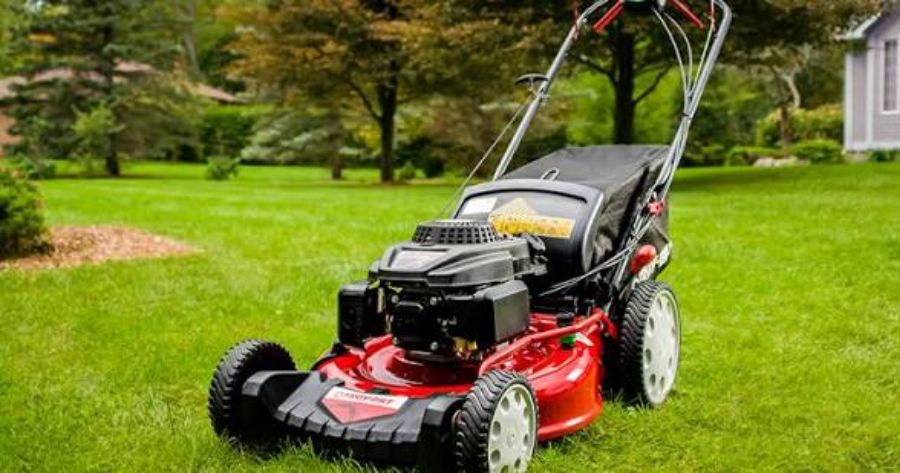
Refurbished Commercial-Grade Mowers: Features, Inspection Steps, and Buying Considerations
Understanding Refurbished Commercial-Grade Mowers and Their Role in Equipment Planning
What Makes a Mower Commercial Grade
Commercial-grade equipment is built around repeated use, longer operating cycles, and demanding cutting conditions. A commercial lawn mower typically differs from residential equipment through heavier frames, stronger transmissions, larger decks, and components designed for daily workload. For landscaping companies managing several properties, commercial mowers are production tools rather than occasional machines.
Refurbished mowers take existing commercial equipment and return it to a usable operating condition through inspection, repairs, replacement of worn components, and maintenance procedures. The value equation is based on preserving durable components while reducing the initial purchase cost. A machine with a strong frame and serviceable drivetrain can remain useful even after significant prior use.
Why Businesses Consider Refurbished Equipment
New commercial zero turn mowers often require a substantial capital investment, especially for businesses expanding multiple crews. Refurbished commercial zero turn mowers provide an alternative approach by allowing operators to increase fleet capacity without purchasing every unit at new-equipment pricing.
The decision depends on more than purchase price. A lower upfront cost only creates value when the machine can complete scheduled work reliably. Buyers evaluate engine condition, deck integrity, hydraulic systems, maintenance records, and availability of replacement parts before adding equipment to their operations.
- Operating hours and how the machine was previously used.
- Condition of the cutting deck, blades, and spindle assemblies.
- Transmission performance during forward and reverse operation.
- Availability of service support and replacement components.
Common Applications for Commercial Zero Turn Mowers
Commercial zero turn mowers are used by landscaping businesses, property managers, municipalities, and owners of large rural properties. Their steering design allows tight turns around obstacles, reducing uncut areas and improving productivity. The same characteristics that make these machines attractive for professionals also make them useful for acreage owners who need consistent performance.
Models such as zero turn lawn mowers for sale through equipment dealers often vary by deck width, engine configuration, and intended workload. Evaluating the application first prevents buyers from selecting a machine that is either oversized for their needs or underpowered for their property.
Inspection Process and Features to Evaluate Before Buying Refurbished Mowers
Checking Hours, Wear, and Mechanical Condition
Hour meters provide useful information, but they are only one part of a complete evaluation. Commercial equipment can accumulate many hours while receiving regular maintenance, while a neglected machine with fewer hours may require immediate repairs. The physical condition of the mower provides additional evidence.
When examining used lawn mowers for sale, buyers should inspect hydraulic leaks, engine operation, deck vibration, tire condition, and frame damage. A consistent maintenance history often matters more than a single number displayed on an hour meter.
Evaluating Cutting Systems and Deck Specifications
The deck is the working surface of a mower, and its condition affects both performance and repair costs. Welds, rust damage, spindle movement, and blade alignment influence cutting quality. Commercial machines frequently use wider decks because professional operators need to complete large areas efficiently.
Buyers comparing commercial mowers should match deck size with property layout. Narrower equipment may provide better maneuverability around landscaping features, while wider decks reduce mowing time on open acreage.
Brands Known in the Commercial Mower Market
Brand reputation can help narrow choices, but the specific machine condition remains the deciding factor. John Deere commercial equipment is widely recognized for agricultural and landscaping applications, with many models supported by established parts networks.
Toro offers commercial mower models designed for professional maintenance operations. When evaluating refurbished mowers, buyers often examine whether replacement parts and service knowledge remain accessible for the selected model.
Scag equipment is another option considered by landscaping professionals because of its focus on commercial cutting performance. A refurbished unit from this category should still receive a complete mechanical inspection before purchase.
Comparing Commercial Mower Options, Costs, and Ownership Factors
Comparing Refurbished Mowers by Value Instead of Price Alone
The lowest purchase price does not always represent the lowest ownership cost. A machine requiring frequent downtime can reduce business revenue by delaying scheduled jobs. Buyers looking at zero turn mowers for sale should compare expected maintenance needs, parts availability, and remaining service life.
A useful comparison framework includes three elements: acquisition cost, repair exposure, and productivity. A slightly higher-priced refurbished mower may provide better value if it has documented maintenance and stronger remaining components.
Commercial Zero Turn Mowers Versus Other Used Equipment Choices
Some buyers compare commercial zero turn mowers with used riding mowers for sale near me because both categories can serve large properties. Riding mowers may suit lighter workloads, while commercial zero turn models generally provide faster mowing cycles and more durable systems for repeated use.
For professional operators searching for used lawn mowers for sale, the intended workload determines whether commercial specifications justify the additional investment. Equipment selection is similar to choosing industrial tools: capacity matters when the tool is part of daily production.
Best Commercial Mower Features for Long-Term Ownership
Important features often include heavy-duty frames, serviceable engines, durable transmissions, comfortable operator controls, and accessible maintenance points. Exmark commercial machines are frequently considered by lawn care professionals evaluating productivity-focused equipment because of their dedicated commercial mower designs.
Gravely provides another example of a brand associated with outdoor power equipment. Buyers examining refurbished units should focus on the specific mower's service condition rather than assuming every model has identical performance.
- Identify the acreage, terrain, and expected mowing frequency.
- Review inspection records and mechanical evaluations.
- Compare replacement part access and service options.
- Calculate total ownership costs beyond the purchase price.
Where to Find Refurbished Mowers and How to Make a Purchase Decision
Finding Reliable Sources for Used Lawn Mowers
Searching for used lawn mowers near me often produces many listings, but inventory quality varies significantly. A visible equipment selection, detailed descriptions, and inspection documentation help reduce uncertainty. Buyers should look for sellers who explain machine history instead of only presenting appearance-focused information.
Options such as Kubota commercial equipment are often evaluated by buyers who need durable machines for landscaping and property maintenance. A careful review of model specifications and service availability helps determine whether a refurbished unit matches operational requirements.
Warranty, Financing, and Support Considerations
Refurbished equipment purchases become easier to manage when sellers provide support options. Warranty coverage, maintenance plans, and financing programs can influence the overall ownership experience. These services do not replace inspection, but they can reduce uncertainty around unexpected repairs.
Ferris equipment represents another category buyers may research when comparing professional mowing solutions. Understanding the available support structure around a specific model helps operators plan for long-term use.
Building a Practical Buying Checklist
A disciplined buying process focuses on evidence rather than appearance. A freshly cleaned machine can look attractive while hiding mechanical problems, while a working unit with cosmetic wear may represent a stronger investment.
Before purchasing refurbished mowers, consider:
- Documented maintenance history and inspection results.
- Engine, transmission, and hydraulic system performance.
- Deck condition and replacement part availability.
- Warranty or service options offered with the equipment.
Bobcat commercial equipment is another example of machinery where application, maintenance, and support networks influence buying decisions. The right refurbished mower is determined by matching equipment capability with actual workload requirements.
Future equipment planning often connects with related topics such as commercial mower maintenance schedules, landscaping business financing, replacement parts management, and fleet expansion strategies. These factors shape whether a refurbished machine remains a cost-saving asset throughout its working life.


RECOMMEND ARTICLES

Most Read

How To Prepare Your Game Data And Maximize Upcoming Features For The Tomodachi Life Nintendo Switch Update

How To Drink More Water Daily: 7 Simple Habits That Actually Work

How To Choose Fun And Interesting VR Games: A Practical Guide

How To Properly Raise A Dog: A Complete Step-by-Step Guide For Beginners

Who Were You In Your Past Life?

How To Get New Emotes In Roblox: A Step-by-Step Guide
Subscribe For New Quizzes

Copyright © 2019-2026 | All rights reserved.