


The Sleep Apnea Diagnosis Guide: What Doctors Recommend Before Choosing A Treatment

Untreated sleep apnea costs the U.S. healthcare system roughly $150 billion annually in lost productivity and complications—yet many people stumble into treatment without understanding what their diagnosis actually means or whether the first option offered is the right one. The gap between diagnosis and treatment is where critical decisions get made, often in a sleep lab or doctor's office without enough context to evaluate alternatives fairly.
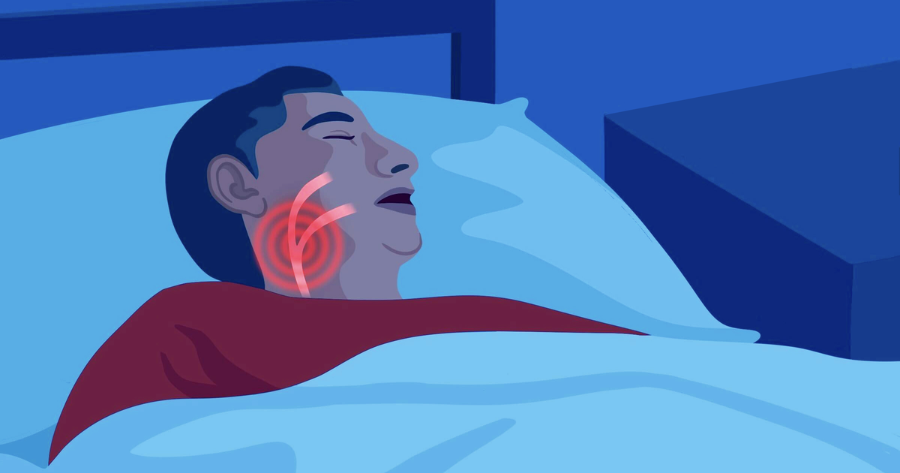
Before you commit to a CPAP machine, oral appliance, or surgical intervention, there's a diagnostic pathway that separates clarity from guesswork. Understanding what doctors look for, how they measure severity, and what questions to ask before treatment begins can mean the difference between a solution that works and an expensive device gathering dust in your closet.
Why Diagnosis Matters More Than You Think
Sleep apnea isn't a single condition—it's a spectrum. Obstructive sleep apnea (OSA) affects roughly 1 in 15 American adults, but the severity ranges from mild disruptions that may not require immediate intervention to severe episodes that demand urgent treatment. Without a precise diagnosis, you might be over-treated or under-treated, wasting money or leaving your health at risk.
The diagnostic process does more than confirm you have apnea. It quantifies how many times per hour your breathing stops (the Apnea-Hypopnea Index, or AHI), measures how much oxygen your blood loses during episodes, identifies which type of apnea you have, and flags comorbidities that shape treatment strategy. A doctor recommending treatment without this data is working blind—and so are you.
The stakes are real. Untreated moderate to severe OSA increases your risk of heart attack, stroke, and sudden cardiac death. But aggressive treatment of mild apnea in someone without cardiovascular risk factors may create more burden than benefit. Getting the diagnosis right means matching the intervention to your actual risk profile.
The Sleep Study: What Happens and Why It Matters
A sleep study (polysomnography, or PSG) remains the gold standard for diagnosing sleep apnea, though the setting and format have evolved. You'll encounter two main options: an in-lab sleep study or a home sleep apnea test (HSAT).
In-Lab Studies: The Comprehensive Approach
An overnight stay in a sleep lab involves sensors monitoring your brain waves, eye movement, muscle activity, heart rhythm, oxygen saturation, airflow, and chest/abdominal effort. Technicians observe you throughout the night, capturing a complete picture of your sleep architecture and breathing events.
This setting catches nuances—REM-related apnea, positional patterns, arousals—and allows technicians to intervene if you're in genuine distress. It's also the only setting where CPAP titration can happen during the same visit: a technician gradually increases pressure to find the optimal setting that eliminates apnea events while you sleep, saving time and avoiding a second study.
The trade-off is cost (typically $1,500–$3,000) and the artificial environment of a lab, which can suppress sleep and inflate AHI readings.
Home Sleep Tests: Speed and Practicality
A home sleep apnea test sends you home with a portable device recording airflow, oxygen, effort, and heart rate. You sleep in your own bed, reducing the "first-night effect," and results typically arrive within days.
The limitation: HSAT can't measure sleep stages, brain activity, or leg movements, and it's more prone to technical errors (loose sensors, incomplete data). It's reliable for moderate to severe apnea but may miss mild cases or misclassify severity. If your HSAT is borderline or negative but symptoms persist, an in-lab study is the logical next step.
Cost runs $300–$800, making it the financially attractive entry point for many patients.
Choosing Between Them
Your doctor should recommend in-lab testing if:
- Symptoms are present but HSAT is negative or inconclusive
- You have significant comorbidities (heart disease, pulmonary hypertension)
- CPAP titration is needed in the same session
- Periodic breathing, REM-related apnea, or positional apnea is suspected
Home testing is reasonable if you have high pretest probability (loud snoring, witnessed apneas, obesity, daytime sleepiness), no major cardiac concerns, and access to a reliable test.
Understanding Your AHI Score and What It Means
The Apnea-Hypopnea Index quantifies breathing disruptions per hour of sleep. This single number drives most treatment decisions, so understanding it prevents misalignment between diagnosis and therapy.
| AHI Range | Severity | Typical Recommendation |
|---|---|---|
| < 5 | Normal | No treatment needed |
| 5–15 | Mild | Lifestyle modification; monitor symptoms |
| 15–30 | Moderate | Treatment usually recommended |
| > 30 | Severe | Treatment strongly recommended |
But AHI alone doesn't tell the full story. Oxygen desaturation events—how low your blood oxygen drops during apneas—matter enormously. Someone with an AHI of 20 but oxygen drops to 70% faces greater cardiac risk than someone with an AHI of 25 and drops only to 88%. Your sleep specialist should discuss both metrics, not just the headline number.
Duration and clustering of events matter too. Ten events spread across eight hours of sleep is less disruptive than ten events crammed into the first two hours. Ask your doctor to explain the pattern, not just the average.
The Role of Symptoms in Treatment Decisions
Here's where many patients feel blindsided: a high AHI doesn't automatically mean you need treatment, and a low AHI doesn't rule it out. Symptoms and comorbidities carry equal weight in modern sleep medicine.
Someone with an AHI of 8 but debilitating daytime sleepiness, a commercial driver's license requirement, or a history of stroke may benefit from treatment. Conversely, someone with an AHI of 35 who sleeps well, has no cardiovascular disease, and isn't symptomatic might reasonably defer treatment and pursue lifestyle changes while monitoring closely.
This nuance gets lost in one-size-fits-all protocols. Ask your doctor explicitly: "Given my AHI, my symptoms, and my health history, why are you recommending this specific treatment?" A vague answer signals they haven't integrated all the data.
Daytime sleepiness is measured using the Epworth Sleepiness Scale (ESS), a validated questionnaire scoring 0–24. Scores above 10 suggest clinically significant sleepiness; above 16 suggests severe impairment. If your doctor doesn't mention your ESS score, ask for it.
Screening for Comorbidities Before Treatment
Sleep apnea doesn't exist in isolation. Before committing to treatment, your doctor should screen for conditions that either increase urgency or influence which treatment fits best.
Cardiovascular assessment is non-negotiable. An EKG can reveal arrhythmias or ischemic changes. If you're over 50, have hypertension, or have apnea symptoms, a cardiac stress test or echocardiogram may be warranted before starting CPAP, especially if you're sedentary or have chest symptoms.
Pulmonary function testing matters if you have chronic obstructive pulmonary disease (COPD) or asthma. Certain CPAP settings can worsen COPD; knowing your baseline lung function prevents missteps.
Metabolic screening—glucose, lipids, thyroid function—identifies conditions that either contribute to apnea (hypothyroidism, obesity) or are worsened by untreated apnea (diabetes). These results inform whether lifestyle intervention alone might suffice or whether treatment is urgent.
What to Ask Before Treatment Begins
Before you leave your sleep specialist's office with a prescription or device order, ask these questions:
-
What is my AHI, and what does it mean for my health specifically? Demand the actual number and an explanation tied to your age, weight, and symptoms.
-
What are my oxygen desaturation events, and how low does my oxygen go? This reveals the severity of physiological stress.
-
Why is this treatment recommended for me, given my diagnosis and symptoms? A good answer connects the dots between your test results and the proposed intervention.
-
What lifestyle changes should I pursue, and could they be sufficient? Weight loss, positional therapy, and sleep hygiene can reduce AHI by 25–50% in mild to moderate cases.
-
What are the side effects or risks of this treatment? CPAP causes nasal congestion; oral appliances can shift your bite. Know what you're signing up for.
-
How will we measure whether this treatment is working? Expect a follow-up study or symptom reassessment in 3–6 months.
-
What happens if I don't tolerate this treatment? Understanding alternatives prevents you from abandoning therapy prematurely.
The Cost-Benefit Calculation
CPAP machines run $400–$2,000; oral appliances cost $1,500–$3,000 and often aren't fully covered by insurance. Surgery ranges from $5,000 to $15,000. These are significant expenses, and insurance companies increasingly demand evidence that treatment is medically necessary before approving coverage.
If your AHI is 12 and you're asymptomatic, don't be surprised if your insurer denies CPAP coverage. This isn't necessarily wrong—it reflects a cost-benefit calculation that mild, asymptomatic apnea may not warrant expensive ongoing therapy. But if your AHI is 35 and you have hypertension, denial is harder to defend.
Understanding your diagnosis means understanding why your insurance company's decision makes sense or doesn't. That clarity lets you appeal effectively or adjust your expectations realistically.
The diagnostic phase isn't a bureaucratic hurdle before "real" treatment begins. It's where the most important decisions happen—decisions that shape whether you'll actually use your treatment, whether it'll work, and whether it's worth the cost and effort. Insist on precision, ask questions that connect diagnosis to your specific situation, and don't accept vague recommendations. Your treatment's success depends on it.

RECOMMEND ARTICLES

The 7-Day Juice Cleanse: Real Benefits, Health Risks, And A Step-by-Step Guide
2026 Fat Freezing Guide: Price, Results, And What To Compare Before You Commit
Fitness Apps That Keep You Moving
How To Test Your Body And Bone Age: A Practical Guide For All Ages
How To Assess Blood Sugar Risk: A Simple Guide For General Audience
How To Test How Old Your Hearing Is: A Simple Guide For Everyone
2026 Comprehensive Guide To Finding A Professional Hearing Test Near Me

What Does Hepatitis C Rash Look Like:Early Detection, Better Treatment
Most Read

Birth Flowers Explained: Find Your Month's Hidden Symbolism!

How To Know If You're Depressed? 7 Signs You Shouldn't Ignore

How To Change Your Battery Icon To An Emoji On IOS

How To Unlock All Items, Collectibles, And Rewards Using Codes In Roblox Verity

How To Identify The Signs Your First Period Is Approaching

Decoding 10 Spirit Messengers: Are These Animals Trying To Tell You Something?
Subscribe For New Quizzes


Copyright © 2019-2026 | All rights reserved.