


How To Find Affordable Housing For Seniors: A Step-by-Step Guide

Want to navigate the often-overwhelming process of finding affordable housing for seniors without feeling lost? In this guide, you'll discover actionable steps to identify suitable options, understand eligibility requirements, and submit strong applications. By the end, you'll feel confident pursuing housing that fits your budget and lifestyle needs.
Why should you prioritize finding affordable senior housing that aligns with your needs? Access to budget-friendly, age-appropriate housing can ease financial stress, improve quality of life, and connect you with supportive communities. But it's important to understand that the process varies by location and program, so having a clear roadmap can save you time and frustration.
Why Finding Affordable Housing for Seniors Is Worth Your Time
- Reduced Financial Stress: Lower housing costs can free up funds for healthcare, hobbies, or emergency needs, helping you maintain greater financial flexibility in retirement.
- Age-Appropriate Amenities: Many affordable senior housing options offer features like grab bars, walk-in showers, and on-site wellness services that support safe, independent living.
- Community Connection: These housing communities often host social events and group activities, which can help you build meaningful relationships and avoid feelings of isolation.
- Access to Support Services: Some programs link residents to local resources like meal delivery, transportation, or in-home care, making daily tasks more manageable.
- Stable, Predictable Costs: Many affordable housing options have capped rent or income-based pricing, which can help you plan your monthly budget with more consistency.
Step-by-Step Guide to Finding Affordable Housing for Seniors
Step 1: Assess Your Housing Needs and Budget
Start by listing your non-negotiable features, such as accessible layouts, proximity to family, or on-site laundry. Next, calculate your monthly income and expenses to determine a realistic housing budget. Be sure to include costs like utilities, parking, and any potential service fees in your calculations.
Pro tip: Use a free budgeting worksheet to organize your finances and avoid overlooking hidden costs.
Step 2: Research Local Affordable Housing Programs
Look into federal, state, and local programs designed for seniors, such as Section 202 Supportive Housing for the Elderly or Low-Income Housing Tax Credit (LIHTC) properties. Visit your local housing authority website or contact a senior services agency to find programs available in your area. You may also want to check non-profit organizations that specialize in senior housing assistance.
Common mistake to avoid: Don’t limit yourself to just one program—exploring multiple options can increase your chances of finding a suitable match.
Step 3: Verify Eligibility Requirements
Each housing program has specific eligibility rules, which may include age limits, income thresholds, or residency requirements. Gather documents like proof of income, government-issued ID, and rental history to confirm you meet the criteria. If you’re unsure about any requirement, reach out to the program administrator for clarification.
Pro tip: Some programs prioritize applicants with additional needs, such as disabilities or limited support systems, so be sure to disclose relevant details in your application.
Step 4: Prepare and Submit Your Applications
Fill out each application carefully, ensuring all information is accurate and complete. Attach any required documents, such as income statements or reference letters, and submit them by the specified deadline. Keep copies of all applications and correspondence for your records.
Common mistake to avoid: Rushing through applications can lead to errors that delay processing or disqualify you, so set aside dedicated time to complete each one thoroughly.
Step 5: Follow Up and Explore Waitlist Options
After submitting your applications, follow up with program administrators after a few weeks to confirm receipt and ask about the typical processing timeline. If you’re placed on a waitlist, ask how long the wait may be and if there are any steps you can take to move up. You may also want to continue exploring other options while you wait.
Pro tip: Some programs allow you to update your application with new information, such as a change in income, which may improve your placement on the waitlist.
Step 6: Visit Top Housing Options and Make a Decision
Once you receive approval or invitations to tour properties, schedule visits to see the spaces in person. Ask questions about lease terms, community rules, and available amenities during your tour. Take notes and compare each option against your initial needs and budget. When you’re ready, submit any required deposits or final paperwork to secure your spot.
Common mistake to avoid: Don’t rush the decision—take time to weigh the pros and cons of each option to ensure it’s a good long-term fit.
Challenges to Be Aware Of
- Long Waitlists: Many popular affordable senior housing programs have lengthy waitlists, which can mean waiting months or even years for a spot. To mitigate this, apply to multiple programs and check in regularly for updates.
- Complex Eligibility Rules: Navigating the varying income limits, age requirements, and documentation needs across different programs can be confusing. Working with a local senior services counselor may help you understand and meet these rules.
- Limited Availability in Rural Areas: Affordable senior housing options may be scarce in rural locations, leaving fewer choices for seniors living outside urban centers. Expanding your search radius or exploring home modification grants could be alternative solutions.
- Potential for Program Changes: Funding or eligibility requirements for affordable housing programs may shift over time, which can impact your ability to maintain or access housing. Staying in touch with program administrators can help you stay informed of any updates.
Conclusion
You now have the foundation to start navigating the process of finding affordable housing for seniors. With clear steps to assess your needs, research programs, and submit strong applications, you’re well-equipped to pursue options that fit your budget and lifestyle. Remember that patience and persistence can go a long way in this journey.
Finding affordable housing for seniors offers the chance to live comfortably, stay connected to community, and reduce financial strain in retirement. By mastering this process, you’re positioning yourself to create a stable, supportive living environment that meets your unique needs. Every step you take brings you closer to securing housing that feels like a good fit.
Don't wait for the perfect moment. Start by assessing your budget and housing needs today. The process may feel daunting at first, but with the right tools and mindset, you can find an affordable senior housing option that supports your best life in retirement.
FAQ
How long does it typically take to find and secure affordable senior housing?
The timeline can vary widely depending on your location, the availability of programs, and waitlist lengths. Some seniors may find a suitable option in a few months, while others may wait a year or more. To speed up the process, apply to multiple programs and follow up regularly. Reach out to a local senior services agency for personalized guidance on timelines in your area.
Do I need to have a low income to qualify for affordable senior housing?
Most affordable senior housing programs have income limits, which are typically based on the area median income (AMI) for your location. However, some programs may have higher income thresholds or offer partial subsidies for middle-income seniors. Check the specific eligibility requirements for each program you’re interested in to see if you qualify. You can also ask a housing counselor to help you understand income-based criteria.
What's the best way to improve my chances of getting approved for affordable senior housing?
Start by ensuring your application is complete, accurate, and submitted on time. Include all required documentation, such as proof of income and rental history, to avoid delays. If you have a history of stable rental payments or positive references, be sure to highlight these details. You may also want to work with a senior services counselor to review your application before submission.
Can I still live with a spouse or partner in affordable senior housing?
Yes, many affordable senior housing programs allow spouses or partners to live together, even if one person is not yet in the eligible age range. However, you’ll need to meet the program’s income requirements as a household, and both residents may need to meet certain eligibility criteria. Be sure to check the specific rules for each program you’re considering, and disclose your household details in your application.


RECOMMEND ARTICLES

How To Find The Most Affordable Senior Housing Across Europe

How To Choose The Best Senior Housing Option For Your 55+ Lifestyle In Canada

Senior Apartments With Move-In Specials: How To Find The Best Deals And Save On Retirement Living

How To Navigate Senior Housing Selection Using An Evaluation Criteria And Decision Framework

How To Apply For Affordable Housing Assistance For Senior Citizens And People With Disabilities
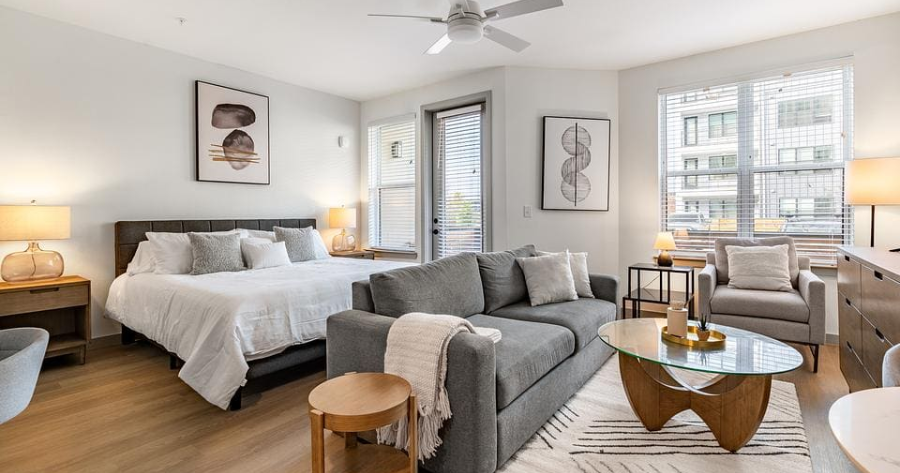
Navigating Senior Housing Options For The 55+ Community
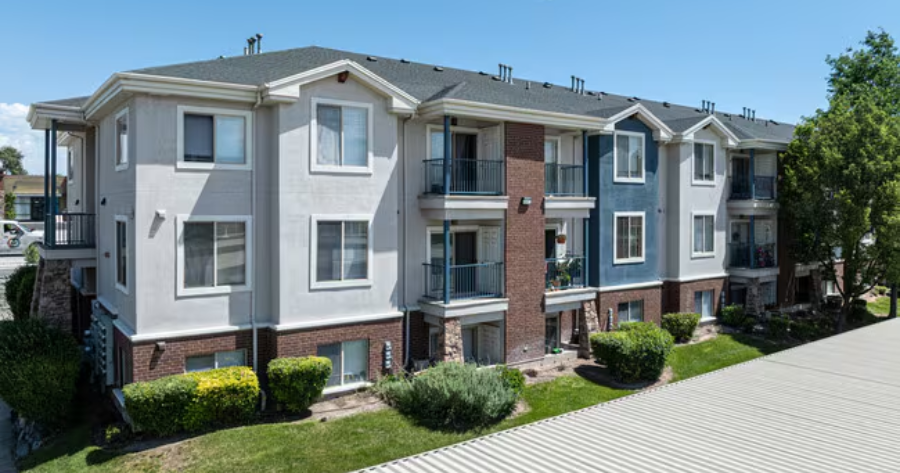
The Reality Behind $300 Low-Income Senior Units
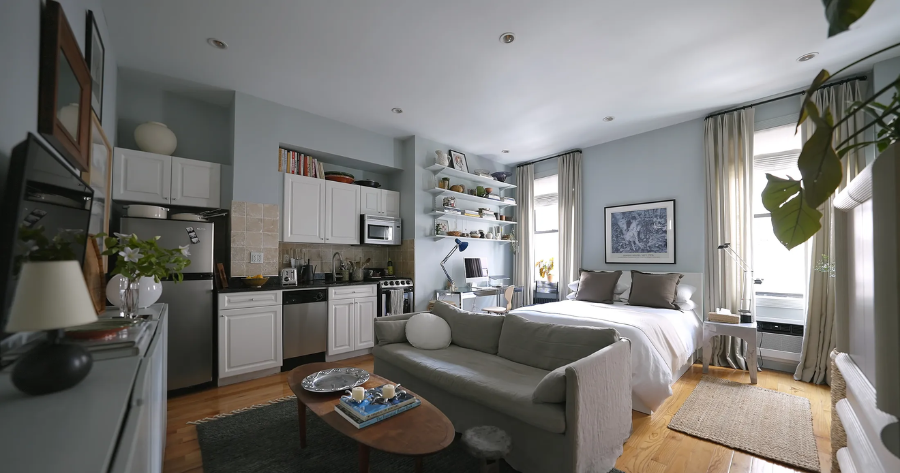
Exploring Home Choosing Solutions For The 55+ Seniors

How To Navigate Housing Selection As A Senior: A Step-by-Step Guide
Most Read

How To Achieve Maximum Velocity In Monkey Escape Using The +1 Speed Modifier

How To Learn Toca Boca Hacks For Beginners: A Simple, Step-by-Step Guide

How To Brew The Perfect Cup Of Pour-Over Coffee At Home

How Robux Works: A Guide To Official Roblox Options

Roblox Robux Guide: Benefits, Risks, And Staying Safe

Unlocking The Hidden Messages: What Broken Objects Really Mean In Your Life!
Subscribe For New Quizzes


Copyright © 2019-2026 | All rights reserved.