


How To Find Reliable Dental Implants Under $3000 Near You As A Senior
Missing teeth change more than a smile. They change how you eat, how you speak, and how willing you are to be in a photo. For years, dental implants sat in the "too expensive" column for most Americans, and seniors on a fixed income felt that wall the hardest. In 2026 the picture is different. More clinics compete for patients, dental schools take on supervised cases at sharply lower prices, and dedicated senior and veteran programs actually exist. This guide explains the legitimate ways to land a reliable single implant for under $3000 near you, what each path costs, and the questions that keep you from overpaying.
One honest note up front: a typical private-practice single implant (post plus abutment plus crown) averages about $3,000 to $5,000 across the United States in 2026, with a national average near $4,500 (source: CostPrism and Advanced Smile Dental 2026 state guides). Getting under $3,000 is real but almost always means using one of the structured paths below rather than walking into a cosmetic center and paying full sticker price. None of these paths cut corners on the implant screw itself. They cut overhead, training costs, or geography.
Why Seniors Actually Have Leverage
It sounds backwards, but retirees often have more real options than working adults who simply "have insurance" and assume it covers implants. Three advantages stand out.
- Dedicated senior and veteran programs exist. The Dental Lifeline Network's Donated Dental Services provides comprehensive care at no cost to qualifying adults 65 and older (waitlists run 6 to 18 months in most states). Veterans can use VADIP, a discounted dental plan through Delta Dental and MetLife. Some Medicare Advantage plans now carry a dental allowance of $1,000 to $5,000 per year (source: BudgetSeniors 2026, Medicare.gov).
- Pre-tax tools are built for fixed incomes. Dental implants qualify as HSA- and FSA-eligible medical expenses, which lowers effective cost by 22 to 37 percent depending on your tax bracket. Dental savings plans (membership networks, not insurance) return 10 to 60 percent off at participating dentists for $100 to $200 per year (source: CostPrism, The Senior List 2026).
- You have time to shop, and dental schools welcome it. A private office rewards speed. A teaching clinic rewards patience, and that patience is exactly what pushes a complete implant into the under-$3000 range.
Three Legitimate Paths Under $3000
1. Accredited Dental School Clinics
- Complete single implant (post, abutment, crown) typically runs $1,200 to $3,000, or 40 to 70 percent below private practice (source: BudgetSeniors, CostPrism 2026).
- Students in their final two years place implants under licensed faculty supervision, using the same premium brands (Straumann, Nobel Biocare, Zimmer Biomet) as private specialists.
- Trade-off is timeline: expect 3 to 4 longer appointments instead of 2 to 3. For a senior who is not in a rush, that trade is usually worth it.
- Find one near you through the Commission on Dental Accreditation (CODA) school directory or your state dental association.
2. Dental Savings Plans Plus HSA or FSA
- Membership networks such as Careington, Aetna Dental Access, Cigna Dental Savings, and DentalPlans.com negotiate 10 to 60 percent off at participating dentists, with no waiting periods and no annual maximums.
- Confirm in writing that implant placement and the final crown are listed in covered procedures at a location near you before paying the membership fee.
- Stack the membership discount with HSA or FSA pre-tax dollars to compound the savings.
- This path works best if a local general dentist already quotes close to $3,000 and you shave another 15 to 30 percent off.
3. Cross-Border Dental Care (Mexico)
- In Mexico City and border hubs like Los Algodones, a complete single implant runs about $850 to $1,500, versus $3,000 to $6,000 in the United States, a 50 to 70 percent saving (source: La Clinica Dental CDMX, Real Dental Costs 2026).
- Verified clinics use the same FDA-cleared systems (Straumann, Nobel Biocare, Zimmer Biomet) and CDC-standard sterilization.
- Add round-trip flights ($200 to $800), lodging ($300 to $1,000), and a possible second trip for the final crown. On a single tooth, travel can eat much of the saving, so do the total-cost math before booking.
- Best fit for residents of AZ, CA, TX, and NM, or for larger cases where the gap stays wide after travel.
Best Path by Need
| Your Situation | Lowest-Cost Path | Typical All-In Cost | Senior Note |
|---|---|---|---|
| Income below poverty line, 65+ | Dental Lifeline Network (free) | $0 if qualified | Apply now, waitlist 6 to 18 months |
| Can travel to a school city | Accredited dental school | $1,200 to $3,000 | Longer visits, faculty supervised |
| Have HSA or FSA balance | Savings plan plus pre-tax funds | $2,000 to $3,000 | Pre-tax cuts 22 to 37 percent |
| Live near the border | Mexico clinic (audited) | $850 to $1,500 | Add travel, plan 2 trips |
| Veteran, VA-enrolled | VADIP insurance | Lower premium, coinsurance | Open enrollment year-round |
Where Seniors Should Look Near Me
- Dental school locator through CODA or your state dental association's website for accredited clinics within driving distance.
- HRSA health center finder (findahealthcenter.hrsa.gov) for sliding-scale clinics; many serve at $0 at poverty level.
- Dental Lifeline Network (dentallifeline.org) for the free Donated Dental Services application.
- Medicare.gov plan finder to check whether your Medicare Advantage plan carries a dental allowance and what it covers for major restorative work.
- Dental savings networks (Careington, Aetna Dental Access, Cigna Dental Savings, DentalPlans.com) to compare local participating dentists.
- VA dental benefits (va.gov) for VADIP enrollment if you are VA-enrolled.
Red Flags Before You Pay
A "government dental implant grant for seniors" does not exist. Any site or caller charging a fee to apply for one is a scam. Report it to the FTC at reportfraud.ftc.gov or 1-877-382-4357. Always ask one question before comparing prices: "Does your quote include the implant post, the abutment connector, AND the final crown?" Quotes that name only the screw are not comparable. Also confirm whether a bone graft ($300 to $3,000) or CT scan ($100 to $500) is included, because bone loss after tooth loss is common and those add-ons inflate the final bill.
Making Your Implant Safe and Lasting
- Screen first. Share your full medication list, including blood thinners and bisphosphonates, and get physician clearance if you have diabetes, a heart condition, or active cancer treatment. Controlled conditions rarely disqualify you; uncontrolled ones do.
- Stop smoking. Cessation for at least 2 weeks before and 4 weeks after surgery sharply improves implant survival.
- Expect high success. Large studies report 94 to 98 percent long-term success, with a BMC Oral Health review of 158,000 plus implants showing 97.79 percent overall survival when proper screening is done (source: BudgetSeniors 2026 compilation).
- Ask about the warranty and keep six-month checkups. A trustworthy provider focuses on the long-term result, not just the low price.
- Watch the retroactive-interest trap. CareCredit's 0 percent promo (6 to 24 months) is real, but if the balance is not cleared in time, interest is charged retroactively at about 32.99 percent APR. Set a reminder 30 days before the deadline.
What Patients Commonly Report (illustrative, not attributed quotes)
These are representative of public patient experiences, shared to show the decision pattern, not as testimonials from named individuals:
"I compared three quotes and the $2,400 school-clinic number included everything the $4,800 office left out."
"My Medicare Advantage paid $1,500 of the crown in January and the post in December by splitting plan years."
"Mexico was $1,300 all-in, but I budgeted a second trip for the final crown and that mattered."
Frequently Asked Questions
Can I really get a full implant (post, abutment, crown) under $3000 in the US?
Yes, through a dental school clinic ($1,200 to $3,000), a savings-plan plus HSA/FSA stack that brings a near-$3,000 private quote down, or a budget implant brand at a general dentist. A premium-brand private cosmetic center at full price will usually land at $3,000 to $6,000, so the under-$3000 result depends on the path, not luck.
Does Medicare pay for dental implants?
Original Medicare (Part A and B) does not cover implants, dentures, or routine dental in 2026. Some Medicare Advantage (Part C) plans include a dental allowance of $1,000 to $5,000 per year that may apply to major restorative work, often at 50 percent coinsurance. Medicaid coverage varies by state. Veterans may use VADIP through Delta Dental or MetLife.
Is dental care in Mexico safe and worth the trip?
Audited Mexican clinics use the same FDA-cleared implant systems and CDC-standard sterilization as US surgical centers, with reported savings of 50 to 70 percent on a single implant ($850 to $1,500 versus $3,000 to $6,000). It is most worthwhile near the border or for larger cases. For one tooth, add flights, lodging, and a possible second trip, then compare total cost against a US quote before deciding.
What single question saves the most money?
Ask every provider: "Does your quote include the implant post, the abutment, AND the final crown, plus the CT scan and any needed bone graft?" Quotes that list only the screw look cheap and are not comparable. Getting three written all-inclusive quotes typically saves $300 to $500, and asking for a stock abutment or a back-tooth material instead of zirconia can save more without hurting function.
Regional Price Guide (2026)
| Region | Typical Single-Implant Range | Senior Consideration |
|---|---|---|
| Mississippi, Alabama, Ohio (lower-cost states) | $2,700 to $4,400 | Private rates already near the under-$3000 line |
| National average (private practice) | $3,000 to $5,000 | Use school or savings plan to drop below |
| California, New York, Hawaii (high-cost) | $5,200 to $7,000 | Cross-border or travel-to-school math favors saving |
| Dental school clinic (any state) | $1,200 to $3,000 | Longer timeline, faculty supervised |
| Mexico (CDMX, Los Algodones) | $850 to $1,500 | Add travel; verify audited clinic |
Sources and Recommended Resources
- American Academy of Implant Dentistry (AAID) and American Association of Oral and Maxillofacial Surgeons (AAOMS) procedure fee surveys.
- Medicare.gov and CMS.gov, 2026 dental coverage guidance.
- VA Dental Insurance Program (VADIP), va.gov.
- Dental Lifeline Network, dentallifeline.org.
- HRSA health center finder, findahealthcenter.hrsa.gov.
- CostPrism 2026 state implant price guide; Advanced Smile Dental 2026 average cost guide; The Senior List 2026 financing guide; BudgetSeniors 2026 senior implant guide.
- Dental savings networks: Careington, Aetna Dental Access, Cigna Dental Savings, DentalPlans.com.
- Independent dental tourism pricing: Real Dental Costs 2026, La Clinica Dental CDMX 2026.
Medical and Legal Disclaimer. This article is for general informational purposes only and is not medical advice. Dental implant candidacy, pricing, and coverage depend on your individual oral health, bone density, location, insurance plan, and provider. Figures cited are 2026 public estimates compiled from the sources listed above and are not quotes; confirm current rates, terms, and eligibility directly with a licensed dental provider and your plan administrator before any treatment or financing decision. Original Medicare does not cover implants, and Medicaid and Medicare Advantage coverage vary by state and plan. The author and publisher are not affiliated with any clinic, brand, lender, or savings plan named here, and this page does not endorse any specific provider. If you suspect a dental grant scam, report it to the FTC at reportfraud.ftc.gov.

RECOMMEND ARTICLES
How To Secure Affordable Dental Implants Without Sacrificing Quality
Dental Implant Financing In 2026: How To Build A Payment Plan That Fits Your Budget
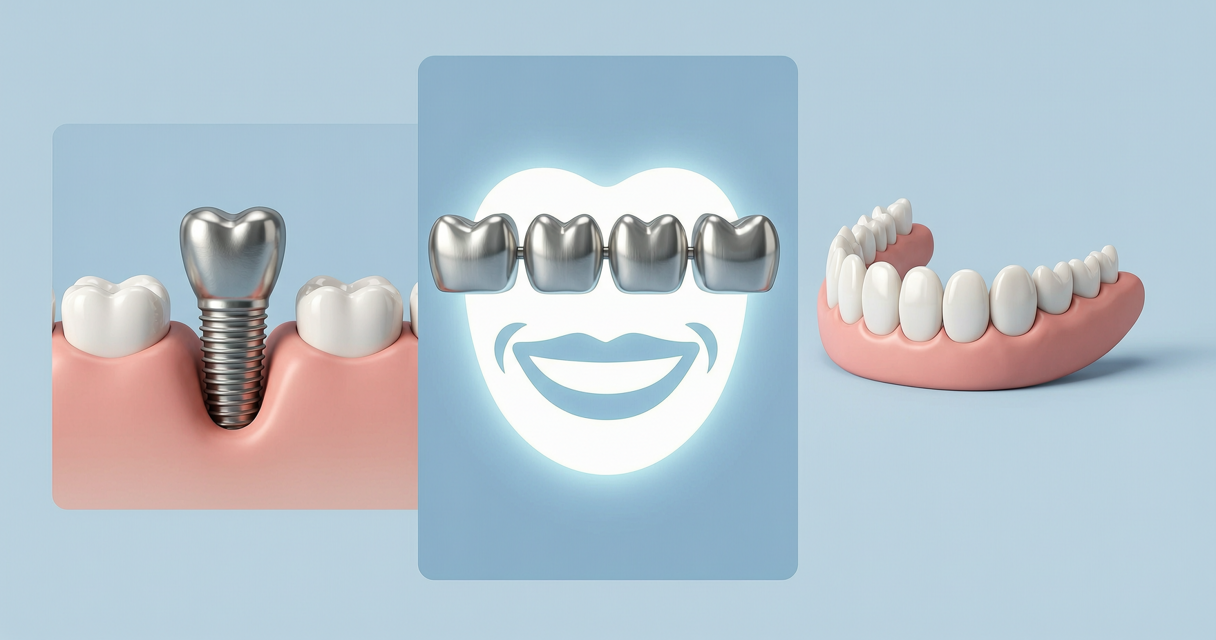
How To Choose Dental Implants Vs Bridges Vs Dentures: Decision-Making For Missing Teeth
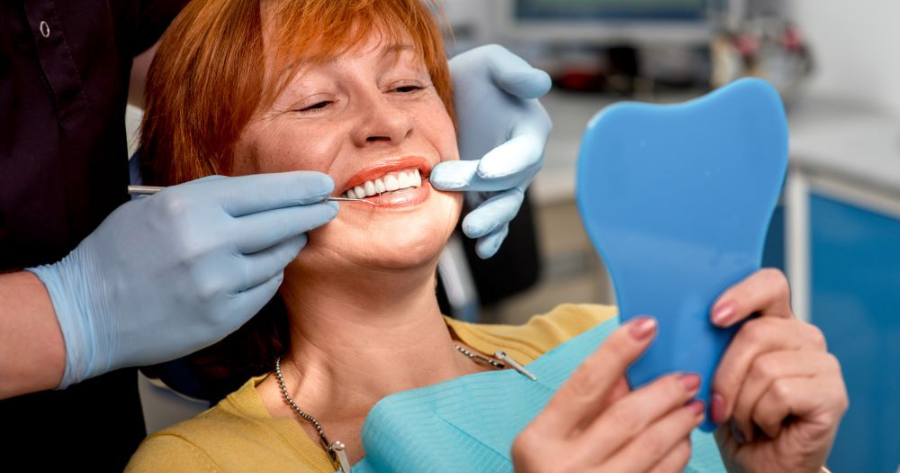
The Dental Implant Journey: A Step-by-Step Guide From Consultation To Crown
Most Read

How To Master The Tomodachi Life Simulation Experience On Nintendo 3DS

How To Choose The Best Fitness Class For You

How To Plan A Budget-Friendly Road Trip Without Missing The Best Sights

How To Find Your Personal Aesthetic: A Practical Guide For Everyone

Only True Marvel Fans Can Pass This Quiz

Zodiac Love Styles: How Each Sign Shows Love?
Subscribe For New Quizzes

Copyright © 2019-2026 | All rights reserved.